Email : sales@storracks.com

Travel Warning: Essential Safety Tips Every Traveler Should Know

Traveling is one of the best ways to explore new cultures, meet new people, and create unforgettable memories. However, every trip comes with certain risks, making it essential to pay attention to every travel warning issued by official authorities. Whether you are planning a family vacation, a business trip, or an international adventure, understanding a travel warning can help you avoid unexpected problems and travel with confidence.
Ignoring a travel warning may expose travelers to security threats, natural disasters, health risks, or political instability. By staying informed and preparing in advance, you can significantly reduce travel-related risks.
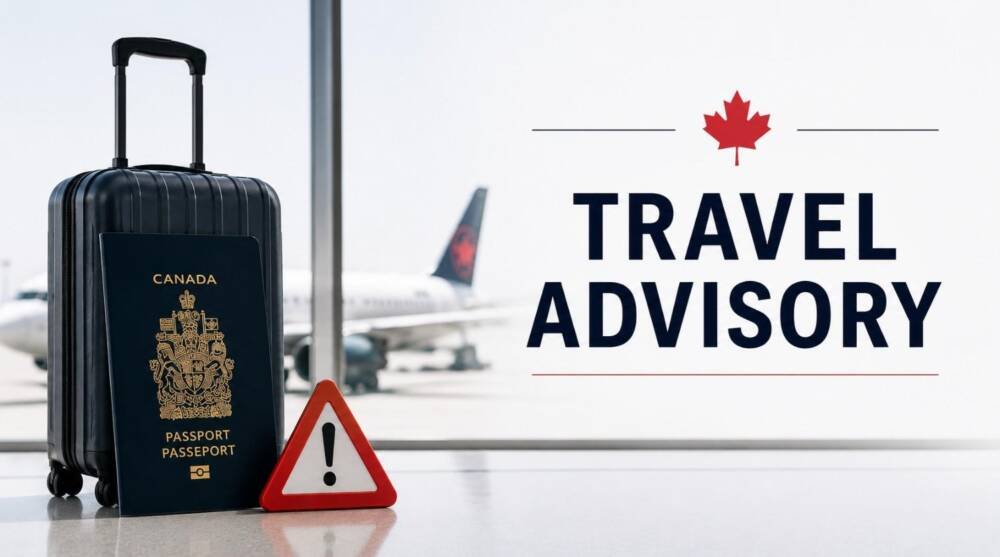
What Is a Travel Warning?
A travel warning is an official advisory issued by government agencies to inform travelers about potential risks in specific countries or regions. These warnings help people make informed travel decisions by highlighting safety concerns such as:
- Political unrest
- Armed conflicts
- Terrorism threats
- Natural disasters
- Disease outbreaks
- Crime rates
- Border restrictions
- Civil demonstrations
A travel warning does not always mean you should cancel your trip. Instead, it provides valuable information to help you prepare and take appropriate precautions.
Why Travel Warnings Matter
Every travel warning is based on current safety assessments and intelligence gathered by government authorities. Travelers who monitor these warnings are better equipped to:
- Plan safer routes
- Avoid dangerous areas
- Prepare emergency contacts
- Purchase suitable travel insurance
- Understand local laws
- Follow health recommendations
Being aware of a travel warning before departure can prevent costly mistakes and dangerous situations.
Common Reasons for Travel Warnings
Political Instability
Government protests, elections, and civil unrest may disrupt transportation and public services. A travel warning often advises visitors to avoid demonstrations and crowded areas.
Natural Disasters
Earthquakes, hurricanes, floods, and wildfires can occur without warning. Monitoring a travel warning helps travelers understand weather-related risks.
Health Emergencies
Disease outbreaks remain one of the leading causes of international travel warning notices. Travelers should check vaccination requirements and health advisories before departure.
High Crime Levels
Some destinations experience increased robbery, scams, kidnappings, or violent crime. A travel warning alerts visitors about areas where extra caution is necessary.
Terrorism Risks
Certain countries may face elevated terrorism threats. A travel warning helps travelers remain vigilant and avoid high-risk locations.
How to Prepare Before Traveling
Research Your Destination
Read the latest travel warning and learn about local customs, transportation, emergency services, and cultural expectations.
Purchase Travel Insurance
Comprehensive travel insurance protects against:
- Medical emergencies
- Trip cancellations
- Lost luggage
- Flight delays
- Emergency evacuation
Register Your Trip
Many governments allow citizens to register international travel plans so embassies can provide assistance during emergencies.
Keep Emergency Contacts
Save contact details for:
- Local police
- Hospitals
- Your country’s embassy
- Family members
- Travel insurance provider
Safety Tips During Your Journey
Follow these recommendations after reviewing any travel warning:
- Keep copies of your passport and travel documents.
- Avoid displaying expensive jewelry or large amounts of cash.
- Use licensed transportation.
- Stay in reputable hotels.
- Avoid isolated areas at night.
- Monitor local news regularly.
- Keep your mobile phone fully charged.
- Respect local customs and laws.
These simple precautions can make your journey much safer.
Travel Warning for Business Travelers
Business travelers often visit unfamiliar destinations on short notice. Checking the latest travel warning before every trip helps companies protect employees and maintain business continuity. Organizations should also establish emergency communication plans and ensure employees have proper insurance coverage.
Travel Warning for Families
Families traveling with children should carefully review every travel warning before booking accommodations or activities. Parents should identify nearby hospitals, carry essential medications, and prepare emergency plans in case of unexpected situations.
Digital Safety While Traveling
Modern travel also requires digital security. Along with checking a travel warning, travelers should:
- Avoid unsecured public Wi-Fi.
- Enable two-factor authentication.
- Keep devices updated.
- Use strong passwords.
- Back up important documents.
- Be cautious of online scams.
Protecting personal information is just as important as personal safety.
How Often Should You Check Travel Warnings?
A travel warning can change quickly due to unexpected events. Check for updates:
- Before booking your trip.
- One week before departure.
- The day before traveling.
- During your stay.
- Before returning home.
Regular updates help travelers respond to changing conditions promptly.
Final Thoughts
Every traveler should make reviewing a travel warning part of their travel planning routine. Staying informed allows you to make smarter decisions, avoid unnecessary risks, and enjoy your journey with greater peace of mind. Whether you’re traveling for business, education, or leisure, preparation is the key to a safe and successful trip.
By understanding the latest travel warning information, following safety guidelines, and remaining alert throughout your journey, you can confidently explore the world while minimizing potential risks.
Suggested Tags
- Travel Warning
- Travel Safety
- International Travel
- Travel Advisory
- Safe Travel
- Travel Tips
- Travel Security
- Vacation Safety
- Travel Warning: A Complete Guide to Safe and Smart International Travel
- Travel is one of life’s greatest experiences, offering opportunities to discover new destinations, connect with different cultures, and create unforgettable memories. However, every journey comes with certain risks that should never be overlooked. Before booking your next flight or packing your bags, checking the latest Travel Warning can make the difference between a safe vacation and an unexpected emergency.
- A Travel Warning is more than just a government notice. It is an important safety tool that helps travelers understand current conditions in their destination, including political events, natural disasters, health concerns, security risks, and transportation issues. Whether you’re traveling for leisure, business, education, or family visits, staying informed is the first step toward a secure journey.
- Understanding a Travel Warning
- A Travel Warning is an official advisory released by government authorities to inform citizens about potential risks in specific countries or regions. These warnings are regularly updated as situations change and provide practical guidance for travelers before and during their trips.
- Travel advisories may range from general precautions to recommendations against all travel, depending on the severity of the situation. Reading the latest Travel Warning allows travelers to make informed decisions based on current conditions.
- Why Every Traveler Should Check a Travel Warning
- Many people spend weeks planning flights, hotels, and sightseeing activities but forget one of the most important steps—reviewing the current Travel Warning.
- Checking travel advisories helps you:
- Identify high-risk areas.
- Understand local safety conditions.
- Prepare emergency contacts.
- Plan alternative routes if needed.
- Avoid travel disruptions.
- Protect yourself and your family.
- Make informed travel decisions.
- Even destinations that are usually considered safe can experience sudden changes due to weather, political events, or public health concerns.
- Situations That May Trigger a Travel Warning
- Several events can lead authorities to issue a Travel Warning, including:
- Political Tension
- Political protests, elections, civil unrest, or government instability can affect transportation, businesses, and tourist attractions. Travelers should avoid large gatherings and monitor local news.
- Severe Weather
- Storms, hurricanes, earthquakes, floods, and wildfires often result in temporary Travel Warning notices. Weather conditions may affect airports, roads, and public services.
- Health Emergencies
- Disease outbreaks remain one of the most common reasons for issuing a Travel Warning. Travelers should stay informed about vaccination requirements, health screenings, and medical facilities available at their destination.
- Increased Crime
- Some cities experience higher rates of theft, scams, or violent crime. A Travel Warning may recommend avoiding certain neighborhoods, remaining alert in crowded places, and securing personal belongings.
- Security Threats
- Authorities may issue a Warning because of terrorism risks, armed conflicts, or regional instability. Travelers should follow official advice and avoid unnecessary travel to affected areas.
- Preparing Before You Travel
- Preparation is one of the most effective ways to reduce travel risks. Before leaving home, review the latest Warning and complete these important steps:
- Confirm passport validity.
- Check visa requirements.
- Purchase comprehensive travel insurance.
- Save emergency phone numbers.
- Make copies of travel documents.
- Inform family members about your itinerary.
- Research local customs and laws.
- Download offline maps.
- Keep emergency cash available.
- Good preparation makes it easier to handle unexpected situations while traveling.
- Safety Tips During Your Trip
- Once you arrive at your destination, continue following basic travel safety practices.
- Stay aware of your surroundings.
- Keep valuables out of sight.
- Avoid displaying expensive jewelry.
- Use official transportation services.
- Stay in trusted accommodations.
- Lock hotel doors and windows.
- Avoid isolated streets after dark.
- Keep your mobile phone fully charged.
- Follow updates related to any Warning issued during your stay.
- Simple precautions significantly reduce travel risks.
- The Importance of Travel Insurance
- Travel insurance is often overlooked but can save thousands of dollars during emergencies. Even if there is no active Warning, accidents and unexpected situations can happen anywhere.
- A quality travel insurance policy typically covers:
- Emergency medical treatment
- Hospital expenses
- Trip cancellation
- Flight delays
- Lost or stolen baggage
- Emergency evacuation
- Personal liability
- Insurance offers financial protection and peace of mind throughout your journey.
- Protecting Your Digital Information
- Today’s travelers rely heavily on smartphones, laptops, and online banking. Digital safety should be part of every travel plan.
- To stay secure:
- Avoid public Wi-Fi for banking.
- Use strong passwords.
- Enable two-factor authentication.
- Keep software updated.
- Back up important documents online.
- Use a secure VPN when necessary.
- Cybersecurity is just as important as physical safety while traveling.
- Family Travel Safety
- Families should pay special attention to every Warning before choosing a destination. Parents should identify nearby hospitals, carry necessary medications, and teach children what to do if they become separated.
- Carrying recent photographs of children, labeling luggage clearly, and establishing meeting points can improve safety during family vacations.
- Business Travel Considerations
- Business travelers often work under tight schedules and may visit unfamiliar destinations with little preparation time. Reviewing the latest Travel before departure helps companies protect employees and reduce operational risks.
- Employers should provide emergency contact information, travel insurance, and communication procedures for staff traveling internationally.
- What to Do If Conditions Change
- Sometimes a new Travel is issued after you’ve already arrived. If this happens:
- Stay calm.
- Monitor official announcements.
- Contact your airline if travel plans change.
- Follow instructions from local authorities.
- Keep your embassy’s contact information available.
- Avoid areas identified as unsafe.
- Inform family members of your status.
- Remaining flexible and informed can help you respond effectively to changing conditions.
- Final Thoughts
- Travel offers incredible opportunities to learn, explore, and create lifelong memories, but safety should always come first. A Travel provides valuable information that allows travelers to understand potential risks before and during their journey.
- By checking official travel advisories, purchasing travel insurance, preparing emergency plans, protecting your personal information, and staying aware of local conditions, you can greatly reduce travel risks. Whether your destination is nearby or on the other side of the world, making a Travel part of your travel planning routine is one of the smartest decisions you can make.
- Safe travel begins with informed travel. Before every journey, review the latest Travel prepare wisely, and enjoy your adventure with confidence.
- How to Stay Safe Before and During International Travel
- Traveling to a new destination is exciting, whether you’re planning a relaxing holiday, attending an important business meeting, or visiting family abroad. Every journey offers opportunities to discover new places and cultures, but it also requires careful planning to ensure your safety. Being aware of current conditions, preparing for unexpected situations, and following reliable guidance can help make your trip enjoyable from start to finish.
- Research Your Destination
- The first step in planning any trip is learning about the country or city you plan to visit. Research local customs, cultural expectations, weather conditions, transportation systems, and entry requirements. Understanding these details before you leave can help you avoid misunderstandings and unnecessary stress.
- It’s also a good idea to check official government travel advisories, which provide updated information about security concerns, public health issues, and any temporary restrictions that may affect visitors.
- Keep Your Travel Documents Organized
- Before leaving home, make sure your passport is valid for the required period and that you have obtained any necessary visas. Keep printed and digital copies of important documents, including:
- Passport
- Visa
- Flight tickets
- Hotel reservations
- Travel insurance policy
- Emergency contact list
- Store copies in separate locations so they remain accessible if the originals are lost or stolen.
- Purchase Comprehensive Travel Insurance
- Unexpected situations can occur anywhere in the world. A comprehensive travel insurance policy offers financial protection for medical emergencies, trip cancellations, baggage loss, flight delays, and emergency evacuations.
- Review your policy carefully to understand what is covered before your departure. Investing in suitable insurance can save you significant expenses during an emergency.
- Stay Aware of Local Conditions
- Situations can change quickly due to severe weather, public demonstrations, transportation disruptions, or health concerns. Monitor reliable news sources throughout your trip and follow instructions from local authorities whenever necessary.
- If conditions become unstable, avoid crowded areas, follow official recommendations, and adjust your travel plans if required.
- Protect Your Personal Belongings
- Tourists are often targeted by pickpockets and scammers in busy public places. To reduce risk:
- Carry only the cash you need.
- Use hotel safes for valuables.
- Keep your phone and wallet secure.
- Avoid displaying expensive jewelry.
- Be cautious when using ATMs.
- Simple habits like these can greatly improve your personal security.
- Practice Digital Security
- Modern travelers depend on smartphones and laptops for navigation, communication, and banking. Protect your digital information by avoiding unsecured public Wi-Fi, enabling two-factor authentication, using strong passwords, and keeping your devices updated.
- Backing up important files before traveling also ensures you can recover essential information if your device is lost.
- Respect Local Culture and Laws
- Every country has its own customs, traditions, and legal requirements. Learning a few basic phrases in the local language and understanding cultural etiquette can create positive interactions with local residents.
- Dress appropriately when visiting religious sites, respect photography restrictions, and always follow local laws to avoid unnecessary legal issues.
- Prepare for Health Emergencies
- Pack a basic medical kit containing prescription medications, pain relievers, bandages, antiseptic wipes, and any personal health supplies you may require.
- Research nearby hospitals and pharmacies before arriving at your destination. If vaccinations are recommended for your trip, schedule them well in advance.
- Transportation Safety
- Choose licensed taxis, reputable ride-sharing services, or trusted public transportation. When renting a vehicle, familiarize yourself with local driving regulations and road conditions.
- Always wear seat belts, avoid distracted driving, and never accept rides from unauthorized drivers.
- Hotel and Accommodation Safety
- Select accommodations with good reviews and strong security measures. Upon arrival:
- Lock doors and windows.
- Learn emergency exit routes.
- Keep valuables in a secure place.
- Avoid sharing your room number publicly.
- These simple precautions can help protect you during your stay.
- Traveling with Children
- Families should take extra steps to ensure children’s safety. Teach children what to do if they become separated, provide them with emergency contact information, and identify meeting points in crowded places.
- Keeping recent photographs of children and carrying essential medications can also prove helpful during emergencies.
- Business Travel Tips
- Business travelers should maintain copies of work documents, safeguard confidential information, and remain aware of local business practices. Scheduling extra travel time and having backup communication methods can reduce stress during important meetings.
- Emergency Preparedness
- No traveler expects an emergency, but preparation is always worthwhile. Save important contact numbers, including local emergency services, your country’s embassy or consulate, family members, and your insurance provider.
- If an unexpected situation arises, remain calm, follow instructions from authorities, and communicate your status to trusted contacts as soon as possible.
- Sustainable and Responsible Tourism
- Responsible travel benefits both visitors and local communities. Support local businesses, respect wildlife, reduce plastic waste, and follow environmental guidelines when visiting natural attractions.
- Small actions, such as carrying a reusable water bottle or respecting protected areas, contribute to preserving destinations for future generations.
- Final Thoughts
- Successful travel depends on thoughtful planning, awareness, and responsible decision-making. By researching your destination, organizing important documents, purchasing suitable insurance, respecting local customs, and staying informed throughout your journey, you can significantly reduce risks and enjoy a more comfortable travel experience.
- No matter where your next adventure takes you, preparation remains the foundation of safe, enjoyable, and memorable travel. Taking a few extra precautions before departure can provide confidence and peace of mind, allowing you to focus on creating lasting memories instead of dealing with avoidable problems.