Email : sales@storracks.com
Traffic Management in Industrial & Commercial Areas: Challenges, Safety & Smart Solutions

Efficient traffic management is essential for the safe and smooth operation of industrial facilities, warehouses, commercial buildings, and busy business areas. As vehicle movement increases, poor traffic planning can lead to congestion, delays, safety risks, and unnecessary operating costs.
From delivery trucks and forklifts to employee vehicles and visitors, every movement within a facility needs to be carefully planned. A well-designed traffic management system helps businesses maintain a safer workplace while improving productivity and operational efficiency.
What Is Traffic Management?
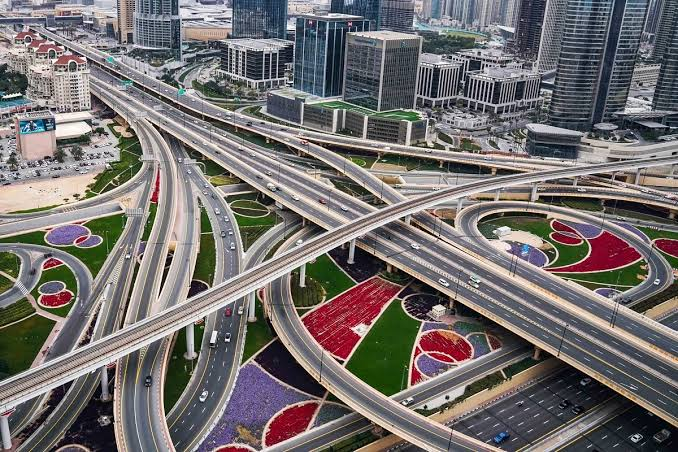
Traffic management refers to the planning, organization, and control of vehicle and pedestrian movement within and around a property.
In industrial and commercial environments, traffic management can include:
- Vehicle entry and exit planning
- Parking and loading areas
- Pedestrian walkways
- Warehouse traffic routes
- Delivery and dispatch zones
- Traffic signs and markings
- Speed-control measures
- Access and security systems
- Loading and unloading arrangements
The goal is simple: keep vehicles and people moving safely and efficiently.
Why Is Traffic Management Important?
Poorly managed traffic can create unnecessary risks and delays. In busy industrial environments, even a small problem with vehicle movement can affect the entire operation.
Effective traffic management can help businesses:
Improve Workplace Safety
Separating pedestrians from moving vehicles reduces the possibility of accidents and creates a more organized working environment.
Reduce Congestion
Clearly defined routes, parking areas, and loading zones help prevent unnecessary vehicle queues and bottlenecks.
Improve Productivity
When vehicles, deliveries, and materials move efficiently, employees spend less time waiting and more time focusing on their work.
Protect Equipment and Infrastructure
Properly planned traffic routes can reduce the risk of vehicles damaging racks, doors, walls, loading areas, and other infrastructure.
Improve Customer and Visitor Experience
A well-organized entrance, parking area, and access route creates a professional first impression for customers, suppliers, and visitors.
Common Traffic Challenges in Industrial Areas
Industrial facilities often experience unique traffic problems because they need to accommodate different types of vehicles and equipment.
Common challenges include:
Heavy vehicle movement: Trucks and delivery vehicles require wider turning areas and carefully planned routes.
Limited space: Existing facilities may have restricted areas for parking, loading, and vehicle circulation.
Pedestrian and vehicle interaction: Employees may need to move through areas where forklifts, trucks, or other equipment are operating.
Poor parking management: Unorganized parking can reduce available space and create unnecessary congestion.
Loading and unloading delays: Insufficient loading areas can cause trucks to wait on internal or external roads.
Inadequate signage: Poorly positioned or unclear signs can make navigation difficult and increase safety risks.
Smart Solutions for Better Traffic Flow
A successful traffic management plan should be designed around the specific requirements of the facility.
1. Clearly Defined Traffic Routes
Dedicated routes for vehicles, forklifts, and pedestrians can make movement more predictable and organized.
2. Proper Loading & Unloading Areas
A well-planned loading zone allows delivery vehicles to enter, position, load or unload, and leave without unnecessarily blocking other traffic.
3. Organized Parking
Clearly marked parking spaces and designated areas for employees, visitors, and commercial vehicles can significantly improve traffic flow.
4. Safety Signage and Road Markings
Visible signs, directional markings, pedestrian crossings, and speed-control indicators help everyone understand how to move safely around the facility.
5. Better Space Utilization
For warehouses and industrial facilities, maximizing available space is important. Solutions such as organized storage systems, mezzanine floors, and efficient warehouse layouts can help businesses use their available area more effectively.
6. Regular Traffic Assessment
Traffic patterns can change as a business grows. Regularly reviewing vehicle movement, loading requirements, parking demand, and pedestrian routes helps ensure the system continues to meet operational needs.
Traffic Management and Warehouse Efficiency
Traffic management is closely connected to warehouse design.
A warehouse with poorly planned storage and vehicle routes may experience unnecessary movement, delays, and safety concerns. On the other hand, an efficient layout can create smoother movement between receiving, storage, picking, and dispatch areas.
The right combination of warehouse racking, shelving systems, material-handling solutions, access routes, and traffic planning can help businesses make better use of their available space.
The Importance of Professional Planning
Every industrial facility has different requirements. A warehouse, manufacturing unit, retail facility, and commercial building may all need different traffic solutions.
Professional planning considers factors such as:
- Facility size and layout
- Type and number of vehicles
- Daily traffic volume
- Loading and unloading requirements
- Pedestrian movement
- Available parking
- Storage requirements
- Safety considerations
- Future business expansion
A customized approach can help create a traffic system that works with the facility rather than against it.
Building Safer and More Efficient Facilities
Traffic management should not be treated as an afterthought. It should be considered as part of the overall design and operation of an industrial or commercial facility.
With proper planning, businesses can reduce congestion, improve workplace organization, support safer movement, and make better use of valuable space.
As businesses continue to grow, investing in efficient infrastructure and smart space planning can make a significant difference to long-term operational performance.
Traffic Management Solutions in Dubai: A Complete Guide for Businesses
Dubai is known for its fast-moving commercial environment, major logistics operations, large warehouses, industrial areas, construction projects, and continuously developing infrastructure. With this level of activity, the movement of vehicles and people needs to be carefully organized.
For warehouses, factories, commercial buildings, logistics centers, and project sites, traffic management is not simply about directing vehicles. It involves creating a structured system that allows cars, trucks, forklifts, pedestrians, employees, visitors, and delivery vehicles to move through a facility in an efficient and controlled manner.
A properly planned traffic system can improve operational efficiency, reduce unnecessary delays, make better use of available space, and contribute to a safer working environment.
Understanding Traffic Management in Modern Facilities
Traffic management is the process of planning and controlling movement within a particular area.
In a commercial or industrial facility, traffic management can cover much more than the external road network. It may include everything from the main entrance and parking area to warehouse aisles, loading bays, service roads, pedestrian walkways, and delivery zones.
The system should answer some basic questions:
- Where should vehicles enter?
- Which route should delivery trucks follow?
- Where should vehicles wait?
- Where should loading and unloading take place?
- Where should employees and visitors park?
- Which areas are restricted?
- How should pedestrians move through the facility?
- How can vehicles enter and exit without unnecessary delays?
When these elements are planned together, the result is a more organized facility.
Why Businesses Need Better Traffic Planning
As a business grows, its traffic requirements often change.
A small warehouse may initially have only a few daily deliveries. As inventory increases and the business expands, the same facility may begin receiving multiple trucks throughout the day.
Without updating the traffic arrangement, this increase can create:
- Congested entrances
- Blocked access routes
- Delayed deliveries
- Unorganized parking
- Difficult truck maneuvering
- Conflicts between pedestrians and vehicles
- Reduced warehouse productivity
Traffic planning should therefore be considered part of long-term facility management rather than a one-time requirement.
Traffic Flow Begins at the Entrance
The entrance is one of the most important parts of a facility’s traffic system.
A poorly designed entrance can create congestion before vehicles even reach the main operational area. Delivery trucks may need additional space to turn, while smaller vehicles may require separate parking or access.
A well-organized entrance can include:
Clearly Identified Entry and Exit Points
Separate entry and exit arrangements can help reduce conflicts between incoming and outgoing vehicles where site conditions allow.
Directional Signage
Clear signs help drivers understand where they should go once they enter the property.
Visitor Access
Visitors should be able to identify parking and reception areas without entering operational zones unnecessarily.
Controlled Access
Depending on the facility, access control can help manage which vehicles are permitted to enter specific areas.
Designing Efficient Vehicle Routes
Vehicle routes should be designed around the actual vehicles using the facility.
A route suitable for passenger cars may not be suitable for delivery trucks. Large vehicles require more room for turning, positioning, and maneuvering.
During traffic planning, businesses should consider:
- Vehicle dimensions
- Turning requirements
- Delivery frequency
- Loading locations
- Parking areas
- Road width
- Visibility
- Entry and exit points
- Internal circulation
A properly planned route can reduce unnecessary vehicle movements and help operations run more smoothly.
Managing Heavy Vehicles and Delivery Trucks
Warehouses and industrial facilities frequently receive heavy commercial vehicles.
Truck movement requires careful planning because large vehicles can occupy significant space during loading, unloading, and maneuvering.
Dedicated truck routes and loading areas can help prevent heavy vehicles from interfering with employee parking or pedestrian movement.
Where possible, loading areas should be positioned so that trucks can complete their operations without blocking the main traffic route.
Warehouse Traffic Management
Warehouse traffic management requires special attention because vehicles and people are often operating close to storage systems.
Forklifts and other material-handling equipment may move between:
- Receiving areas
- Storage racks
- Picking zones
- Packing areas
- Dispatch sections
- Loading bays
An inefficient layout can result in unnecessary travel distances and increased congestion.
A better warehouse layout considers traffic flow at the same time as storage capacity.
The Connection Between Racking and Traffic Flow
Storage systems directly affect how much open space remains available for movement.
Using suitable racking can allow businesses to organize products vertically instead of spreading inventory across the floor.
Depending on the application, businesses may consider:
- Heavy-duty pallet racking
- Medium-duty racking
- Light-duty shelving
- Boltless shelving
- Slotted angle racking
- Cantilever racking
- Mezzanine floor systems
The objective is not simply to add more storage. The storage layout should also leave appropriate areas for access, movement, handling, and daily operations.
Pedestrian Traffic Management
Vehicle movement is only one part of traffic management.
Employees, customers, contractors, and visitors also need safe and convenient routes around a facility.
Pedestrian traffic management can include:
- Marked walking paths
- Pedestrian crossings
- Restricted vehicle areas
- Clearly identified entrances
- Safe access to offices and facilities
- Separation between pedestrian and operational routes
Keeping pedestrian movement organized can make a facility easier to navigate and improve overall workplace organization.
Parking Management for Commercial Facilities
Parking can become a significant challenge when space is limited.
Unorganized parking can block loading zones, access roads, emergency routes, or entrances.
A parking management plan can identify suitable spaces for:
- Employees
- Visitors
- Customers
- Delivery vehicles
- Service vehicles
- Management vehicles
Clearly marked spaces and directional signs can help reduce confusion and improve the use of available parking capacity.
Loading Bay Management
Loading bays are often among the busiest areas of a warehouse or logistics facility.
Multiple deliveries may arrive throughout the day, making it important to manage vehicle positioning and loading schedules efficiently.
An effective loading area should consider:
Vehicle access: Can trucks enter and leave without unnecessary maneuvering?
Available space: Is there sufficient room for loading activities?
Warehouse access: Can materials move efficiently between the loading bay and storage area?
Traffic separation: Can loading operations take place without blocking other routes?
Scheduling: Can deliveries be organized to reduce unnecessary waiting?
These considerations can make a significant difference to daily operations.
Traffic Management for Construction Projects
Construction sites present different traffic challenges because the environment changes throughout the project.
Construction vehicles, workers, equipment suppliers, and visitors may all require access to the site.
Traffic management planning can help establish temporary routes and designated areas for different stages of construction.
As the project develops, the traffic arrangement may need to be reviewed to reflect changes in site access, construction zones, material deliveries, and equipment movement.
Industrial Estate and Business Park Traffic
Traffic management is also important outside individual facilities.
Industrial estates and business parks may have multiple companies sharing access roads, parking areas, loading routes, and common infrastructure.
A coordinated approach can help reduce congestion and improve movement throughout the wider area.
Factors may include:
- Shared access roads
- Truck routes
- Parking demand
- Delivery schedules
- Visitor access
- Pedestrian movement
- Peak traffic periods
How Technology Is Changing Traffic Management
Modern traffic management is becoming increasingly connected with technology.
Businesses can use digital tools to monitor vehicle movement, identify congestion points, manage access, and understand traffic patterns.
Technology may include:
- Digital access systems
- Vehicle monitoring
- Smart parking solutions
- Traffic cameras
- Automated gates
- Digital signage
- Data-based traffic analysis
The appropriate technology depends on the size and requirements of the facility.
Traffic Management and Business Productivity
Traffic congestion does not only affect convenience. It can affect business operations.
When vehicles spend unnecessary time waiting or maneuvering, deliveries can take longer. Employees may also spend additional time moving materials between different areas.
Improving traffic flow can help reduce unnecessary movement and create a more efficient operational environment.
For logistics and warehouse businesses, even small improvements in movement can have an impact when repeated throughout the working day.
Making Better Use of Limited Space
Space is a major consideration for businesses operating in busy commercial and industrial areas.
A traffic plan should work together with the overall facility layout.
For example, businesses may need to balance:
Storage capacity + vehicle movement + parking + loading + pedestrian access
Increasing storage without considering movement can create operational problems. Similarly, creating large traffic areas without considering storage requirements may result in inefficient use of valuable floor space.
The best solution is a balanced layout designed around the facility’s actual requirements.
Common Traffic Management Mistakes
Businesses can encounter problems when traffic planning is approached without considering the complete operation.
Some common mistakes include:
Using One Route for Everything
Combining delivery trucks, forklifts, employees, visitors, and pedestrians on the same route can make movement more complicated.
Ignoring Future Growth
A traffic system designed only for current requirements may become inadequate as the business expands.
Poor Signage
Unclear or poorly positioned signs can cause confusion for drivers and visitors.
Blocking Operational Areas
Parking or temporary storage in traffic routes can quickly create congestion.
Focusing Only on Vehicles
Pedestrian movement is an equally important part of facility traffic planning.
Neglecting Loading Requirements
A facility may have enough parking but still experience congestion because there is insufficient space for delivery and loading operations.
A Practical Approach to Traffic Management Planning
A professional traffic assessment can begin with a review of the existing facility.
Step 1: Understand the Site
Review entrances, exits, roads, parking, loading areas, warehouse layout, and pedestrian routes.
Step 2: Identify Traffic Types
Determine what types of vehicles and equipment use the facility.
Step 3: Study Traffic Patterns
Identify busy periods, congestion points, delivery schedules, and areas where movement slows down.
Step 4: Identify Conflicts
Look for areas where vehicles, pedestrians, storage, and loading operations interfere with one another.
Step 5: Develop a Practical Layout
Create clear routes and dedicated areas based on the facility’s requirements.
Step 6: Implement Signage and Markings
Use appropriate signs, floor markings, directional indicators, and other visual controls.
Step 7: Review and Improve
Traffic management should be reviewed periodically as operations and business requirements change.
Choosing Traffic Management Solutions in Dubai
Selecting the right traffic management approach requires more than choosing standard products or signs.
The solution should match the actual site.
Businesses should consider:
- Experience with industrial environments
- Understanding of warehouse operations
- Ability to assess site requirements
- Quality of materials and installation
- Customized planning
- Project management capabilities
- Ability to support future expansion
A professional approach can help businesses avoid unnecessary modifications and create a system that supports their daily operations.
Creating an Integrated Industrial Environment
The most effective facilities do not treat traffic management, storage, lifting, and infrastructure as separate subjects.
Instead, they consider the entire operation.
For example, a warehouse may require:
Racking systems for organized storage.
Mezzanine floors to increase usable space.
Cargo or industrial lifts for vertical material movement.
Steel structures for customized industrial requirements.
Traffic planning to connect all operational areas efficiently.
When these elements are considered together, businesses can develop a more functional and efficient facility.
Future of Traffic Management in Dubai
As commercial and industrial operations continue to evolve, traffic management will become increasingly important.
Businesses are likely to place greater emphasis on:
- Smart monitoring
- Efficient space utilization
- Automated access
- Better pedestrian management
- Data-driven planning
- Flexible warehouse layouts
- Sustainable transportation practices
The future of traffic management is not only about moving vehicles faster. It is about creating smarter environments where people, vehicles, materials, and infrastructure work together efficiently.