Email : sales@storracks.com

Rain (مطر): Everything You Need to Know

Rain (مطر) is one of nature’s most valuable resources. It sustains life on Earth by providing fresh water for people, animals, plants, and ecosystems. Without rain, agriculture would struggle, rivers would dry up, and many living organisms would not survive. Understanding howمطر forms and why it is essential helps us appreciate its role in maintaining a healthy planet.
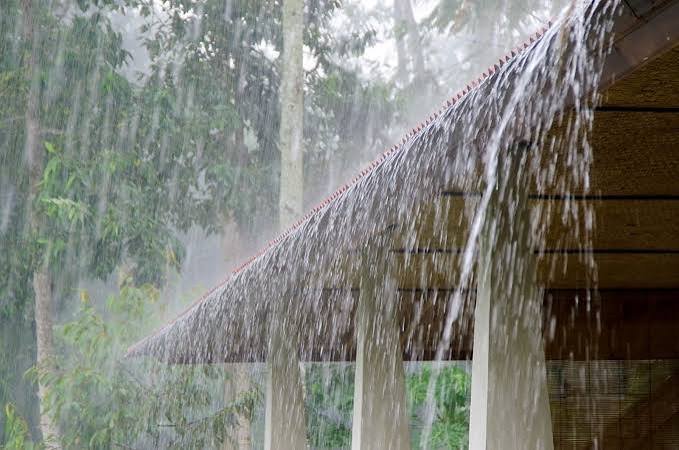
What Is مطر?
مطر is liquid water that falls from clouds when water droplets become heavy enough to overcome air resistance. It is a vital part of the Earth’s natural water cycle and supplies fresh water to lakes, rivers, groundwater, and soil.
مطر occurs in different intensities, from light drizzles to heavy storms, depending on atmospheric conditions.
How Does Rain Form?
مطر is created through the water cycle, a continuous natural process consisting of several stages:
1. Evaporation
Heat from the sun causes water from oceans, rivers, and lakes to evaporate into water vapor.
2. Condensation
As water vapor rises, it cools and forms tiny droplets that gather into clouds.
3. Cloud Formation
Millions of tiny droplets combine to create clouds in the atmosphere.
4. Precipitation
When the droplets become too heavy, they fall to the ground as مطر
Types of مطر
Convectional مطر
This type develops when warm air rises rapidly, cools, and condenses. It is common in tropical regions.
Orographic مطر
When moist air is forced to rise over mountains, it cools and produces rainfall on the windward side.
Frontalمطر
This occurs when warm and cold air masses meet, causing warm air to rise and create precipitation.
Benefits of مطر
Supports Agriculture
Farmers rely on rainfall to grow crops such as wheat, rice, fruits, and vegetables. Healthy rainfall contributes to higher agricultural productivity.
Replenishes Water Resources
مطر fills rivers, lakes, reservoirs, and underground aquifers, ensuring a continuous supply of freshwater.
Maintains Ecosystems
Forests, wetlands, and wildlife depend on regular rainfall to survive and thrive.
Improves Air Quality
مطر removes dust, pollen, and pollutants from the atmosphere, making the air cleaner and fresher.
Regulates Climate
مطر helps maintain balanced temperatures and contributes to Earth’s natural climate system.
Importance of مطر for Agriculture
Agriculture is directly influenced by rainfall. Crops require adequate moisture for healthy growth, seed germination, and nutrient absorption. Balanced rainfall reduces irrigation costs and improves food production.
However, excessive rainfall may cause flooding, while insufficient rainfall can lead to drought and crop failure.
Effects of Heavy مطر
Althoughمطر is beneficial, extremely heavy rainfall can cause:
- Flooding
- Soil erosion
- Landslides
- Water contamination
- Damage to infrastructure
- Crop losses
Proper drainage systems and sustainable land management can reduce these risks.
Rainwater Harvesting
Rainwater harvesting is the process of collecting and storing rainwater for future use. It helps:
- Reduce water shortages
- Lower water bills
- Recharge groundwater
- Support irrigation
- Promote sustainable water management
Many homes and businesses now install rainwater harvesting systems to conserve water.
Climate Change and Rainfall
Climate change is affecting rainfall patterns around the world. Some regions experience prolonged droughts, while others receive unusually heavy rainfall. Reducing greenhouse gas emissions and protecting forests can help reduce these impacts.
Tips for Conserving Rainwater
- Install rainwater collection systems.
- Maintain clean gutters and storage tanks.
- Use collected rainwater for gardening.
- Plant more trees to improve groundwater recharge.
- Avoid wasting freshwater resources.
Frequently Asked Questions
Why is مطر important?
مطر provides fresh water, supports agriculture, replenishes rivers and lakes, maintains ecosystems, and regulates climate.
What causes مطر?
مطر forms when water vapor cools, condenses into clouds, and falls as precipitation once the droplets become heavy.
Can rainwater be used?
Yes. With proper collection and filtration, مطر can be used for irrigation, cleaning, and in some cases household purposes.
How does climate change affect rainfall?
Climate change alters مطر fall patterns, increasing the frequency of droughts and extreme مطر events in many regions.
Rain (مطر) The Lifeblood of Nature
مطر is one of the Earth’s most precious natural resources. Every drop plays a vital role in sustaining life, supporting ecosystems, and maintaining the balance of the environment. From nourishing crops and forests to filling rivers and reservoirs, مطر fall is essential for the survival of humans, animals, and plants alike. Without regular rainfall, many regions would face severe water shortages, declining agricultural production, and damaged ecosystems.
For centuries, rain has been regarded as a symbol of renewal, hope, and abundance. Across different cultures and civilizations, it has been celebrated as a blessing that brings life to dry lands and ensures food security. Today, as climate patterns continue to change, understanding the importance of مطر fall has become more significant than ever.
How مطر Forms
مطر is produced through the natural water cycle, a continuous process that keeps water moving between the Earth’s surface and the atmosphere. Heat from the sun causes water from oceans, lakes, rivers, and other bodies of water to evaporate into the air as water vapor. As the vapor rises, it cools and condenses into tiny droplets that gather to form clouds.
Over time, these droplets combine into larger drops. Once they become too heavy to remain suspended in the atmosphere, they fall to the ground as rain. This simple yet remarkable process continually replenishes freshwater supplies and supports life across the globe.
The Importance of Rain
مطر serves countless purposes in nature and human society. It provides fresh water for drinking, irrigation, sanitation, and industrial use while helping maintain healthy ecosystems. Rivers, lakes, wetlands, and underground aquifers rely on consistent مطر fall to remain full and functional.
In agriculture, مطر fall is one of the most critical factors affecting crop production. Farmers depend on seasonal rain to grow grains, fruits, vegetables, and other essential crops. Healthy مطر fall patterns improve harvests, increase soil moisture, and reduce the need for excessive irrigation.
مطر also plays an important role in regulating the Earth’s climate. It helps cool the atmosphere, maintains humidity levels, and contributes to the natural balance of weather systems. In addition, مطر fall washes dust, pollen, and pollutants from the air, leading to cleaner and healthier environments.
Environmental Benefits
The environment depends heavily on regular مطر fall to maintain biodiversity and ecological balance. Forests require sufficient moisture to grow and provide habitats for countless species of wildlife. Wetlands, rivers, and lakes support aquatic life and serve as essential ecosystems for birds, fish, and other animals.
Rainwater also replenishes groundwater supplies that communities rely on for drinking water. Healthy groundwater reserves become increasingly valuable during dry seasons and periods of drought.
Furthermore, مطر fall supports natural vegetation, which helps reduce soil erosion, improve air quality, absorb carbon dioxide, and stabilize local climates.
مطر and Agriculture
Agriculture is one of the sectors most directly influenced by مطر fall. Crops require adequate moisture for seed germination, root development, nutrient absorption, and healthy growth. Livestock also benefit from rain because it supports the growth of grasslands used for grazing.
Balanced rainfall contributes to improved crop quality and higher agricultural productivity. However, irregular rainfall patterns can present challenges. Too little rain may result in drought, while excessive rainfall can damage crops, flood farmland, and delay harvesting.
Modern farming increasingly combines rainfall with efficient irrigation systems and sustainable water management practices to improve food security and protect natural resources.
Challenges Caused by Heavy مطر
Although rainfall provides numerous benefits, excessive or prolonged rainfall can create significant challenges. Heavy storms may cause flooding that damages homes, roads, bridges, and public infrastructure. Strong rainfall can also trigger landslides in mountainous regions and increase soil erosion, reducing agricultural productivity.
Urban areas with inadequate drainage systems often experience waterlogging during intense rainfall, disrupting transportation and daily activities. Proper city planning, improved drainage networks, and responsible land management help minimize these risks.
Rainwater Conservation
As freshwater resources become increasingly valuable, rainwater harvesting has gained popularity worldwide. Collecting rainwater from rooftops and storing it in tanks allows households, farms, and businesses to use it for irrigation, cleaning, landscaping, and other non-drinking purposes.
Rainwater harvesting helps reduce pressure on municipal water supplies, lowers water bills, and contributes to groundwater recharge. It is an environmentally friendly practice that supports sustainable water management, especially in regions facing water scarcity.
مطر and Climate Change
Climate change has significantly influenced rainfall patterns across many parts of the world. Some regions experience longer droughts, while others face unusually heavy rainfall and frequent flooding. Rising global temperatures affect evaporation rates and atmospheric conditions, making weather patterns less predictable.
Protecting forests, reducing greenhouse gas emissions, conserving water, and adopting sustainable environmental practices can help reduce the long-term impacts of climate change on rainfall and water availability.
Looking Toward the Future
The future of water security depends on responsible environmental management and greater awareness of the importance of rainfall. Governments, communities, businesses, and individuals all have a role in protecting water resources and promoting sustainable practices.
Simple actions such as planting trees, reducing water waste, maintaining natural ecosystems, and supporting rainwater harvesting projects contribute to healthier environments and stronger communities.
The Environmental Value of مطر
مطر is one of the most valuable natural resources on Earth, supporting every form of life and maintaining the balance of the environment. It replenishes freshwater sources, nourishes vegetation, and provides the moisture needed for healthy ecosystems to thrive. Without regular precipitation, forests, grasslands, rivers, and agricultural lands would struggle to survive, affecting biodiversity and food production around the world.
A Natural Source of Freshwater
Most of the freshwater available for human use originates from مطر. It fills lakes, rivers, reservoirs, and underground aquifers that supply drinking water to homes, businesses, and industries. These water sources are essential for cooking, sanitation, irrigation, and countless daily activities. Protecting freshwater resources begins with recognizing the importance of every drop that falls from the sky.
Supporting Food Production
Agriculture depends heavily on مطر to maintain fertile soil and healthy crop growth. Fields receiving consistent precipitation often produce stronger harvests, helping farmers grow fruits, vegetables, grains, and other essential crops. Livestock farming also benefits because healthy pastures require sufficient moisture throughout the year.
Reliable precipitation contributes to food security by improving crop quality and reducing dependence on artificial irrigation systems. Sustainable farming practices combined with responsible water management ensure that agricultural productivity can continue for future generations.
Maintaining Natural Ecosystems
Wildlife habitats rely on healthy water cycles supported by مطر. Rivers and wetlands provide homes for fish, amphibians, birds, and aquatic plants, while forests depend on moisture to sustain diverse ecosystems. Healthy vegetation also helps stabilize soil, reduce erosion, and improve air quality by absorbing carbon dioxide and releasing oxygen.
Natural landscapes supported by regular precipitation play a significant role in preserving biodiversity and protecting endangered species.
Water Conservation for the Future
Growing populations and changing climate conditions make water conservation more important than ever. Collecting and storing water from مطر allows households, farms, and communities to use natural resources more efficiently. Harvested water can support gardens, irrigation systems, landscaping projects, and many non-drinking purposes.
Responsible conservation reduces pressure on public water supplies and helps communities prepare for periods of lower precipitation.
Climate and Environmental Balance
The Earth’s climate depends on balanced precipitation patterns. Moisture in the atmosphere influences temperatures, humidity, and seasonal weather conditions across different regions. Healthy forests and natural landscapes help regulate these cycles, while environmental conservation supports long-term water availability.
Protecting natural resources through reforestation, pollution reduction, and sustainable land management contributes to stronger ecosystems and more resilient communities.
Looking Ahead
As environmental challenges continue to evolve, understanding the value of مطر becomes increasingly important. Governments, businesses, farmers, and individuals all share responsibility for protecting freshwater resources and promoting sustainable practices. Small actions such as conserving water, planting trees, and supporting environmental initiatives can make a meaningful difference.
The Importance of مطر for Life and Nature
مطر is one of the most valuable natural resources that supports life across the world. Every drop contributes to the health of the environment by providing fresh water for people, animals, and plants. It helps maintain rivers, lakes, reservoirs, and underground water supplies that millions of communities rely on every day. Without sufficient water from the sky, many regions would struggle with shortages that affect daily life and economic development.
A Foundation for Agriculture
Farmers depend on مطر to maintain productive farmland and healthy crops. Moist soil allows seeds to germinate, roots to grow deeper, and plants to absorb essential nutrients. Fruit orchards, vegetable farms, grain fields, and grazing lands all benefit from a consistent supply of natural water. Healthy agricultural production improves food availability while supporting local and national economies.
Protecting Wildlife
Natural habitats depend on مطر to remain healthy throughout the year. Forests, wetlands, rivers, and grasslands provide food, shelter, and breeding areas for countless species. Birds, mammals, fish, reptiles, and insects all rely on healthy ecosystems supported by fresh water. Preserving these environments helps maintain biodiversity and protects endangered species.
Improving Air Quality
Water from مطر naturally cleans the atmosphere by removing dust particles and other airborne pollutants. Cleaner air contributes to healthier living conditions, improves visibility, and creates a fresher environment for both urban and rural communities. This natural cleaning process also benefits vegetation by reducing the accumulation of harmful particles on leaves.
Supporting Freshwater Resources
Lakes, rivers, reservoirs, and underground aquifers are continually replenished through مطر. These freshwater sources provide water for drinking, cooking, sanitation, manufacturing, and electricity generation. Responsible management of these resources is essential for meeting the needs of growing populations.
Helping Maintain Soil Fertility
Healthy soil depends on adequate moisture to support plant growth. Water allows nutrients to move through the soil, making them available for roots to absorb. Moist conditions also encourage beneficial microorganisms that improve soil structure and fertility. Productive soil supports agriculture while reducing the risk of land degradation.
Strengthening Forest Ecosystems
Forests flourish when they receive enough natural moisture. Strong forests improve air quality, stabilize temperatures, reduce soil erosion, and protect watersheds. They also provide valuable habitats for wildlife and help regulate environmental conditions across large regions.
Sustainable Water Management
Many communities now collect water from مطر using storage systems designed for irrigation, landscaping, and household applications. This practice helps reduce pressure on public water supplies while promoting efficient use of natural resources. Water conservation has become an important strategy for ensuring long-term environmental sustainability.
Environmental Responsibility
Protecting rivers, forests, wetlands, and natural landscapes strengthens the entire water cycle. Planting trees, reducing pollution, and conserving freshwater all contribute to healthier ecosystems. Governments, businesses, and individuals share responsibility for protecting these valuable resources through sustainable practices and environmental awareness.
Looking Ahead
As global demand for freshwater continues to increase, protecting natural water resources becomes more important than ever. Investing in conservation projects, improving water efficiency, restoring ecosystems, and educating communities will help ensure a secure future for coming generations.
The Global Significance of مطر
Across every continent, مطر plays a fundamental role in supporting life and maintaining environmental stability. It provides the natural water needed to sustain ecosystems, replenish freshwater supplies, and support countless human activities. Communities around the world depend on this essential resource for agriculture, industry, transportation, and public health.
Water Security and Community Development
Reliable access to freshwater is closely connected to the availability of مطر. Schools, hospitals, businesses, and households all require dependable water sources to function efficiently. Communities with healthy water supplies experience improved sanitation, stronger economic growth, and better public health outcomes.
Long-term planning for water conservation helps reduce the impact of seasonal shortages while ensuring that future generations have access to clean and safe water.
Natural Support for Biodiversity
Every ecosystem depends on water to survive. Grasslands, forests, wetlands, rivers, and freshwater lakes provide homes for thousands of plant and animal species. Healthy environments encourage biodiversity, allowing different species to coexist while maintaining ecological balance.
The availability of clean water supports breeding habitats, migration routes, and natural food chains that are essential for wildlife conservation.
Freshwater and Human Health
Clean freshwater supplied through natural processes is essential for maintaining public health. It supports proper hygiene, food preparation, sanitation, and medical services. Access to safe water helps reduce the spread of disease while improving overall quality of life for communities worldwide.
Protecting natural water resources is therefore not only an environmental responsibility but also an important public health priority.
Supporting Renewable Energy
Many countries rely on freshwater stored in reservoirs to generate hydroelectric power. This renewable energy source provides electricity without relying heavily on fossil fuels, helping reduce greenhouse gas emissions while supporting sustainable development.
Maintaining healthy water supplies contributes to reliable energy production and strengthens national infrastructure.
Encouraging Sustainable Agriculture
Modern agriculture combines traditional farming knowledge with advanced technology to use water more efficiently. Drip irrigation, moisture monitoring systems, and responsible land management help maximize crop production while conserving valuable natural resources.
Healthy agricultural systems contribute to food security, stable markets, and improved livelihoods for farming communities.
The Importance of Wetlands
Wetlands serve as natural water filters that improve water quality while supporting numerous plant and animal species. These ecosystems help reduce flooding, recharge groundwater, and provide important habitats for migratory birds and aquatic life.
Protecting wetlands strengthens environmental resilience and preserves valuable biodiversity