Email : sales@storracks.com
India vs Sri Lanka: An In-Depth Comparison

India vs Sri Lanka is an interesting comparison because the two South Asian countries are geographically close yet offer very different experiences. India is a vast country stretching from the Himalayas to the Indian Ocean, while Sri Lanka is a compact island nation located just south of India.
Both countries share centuries of historical, cultural, religious, commercial, and social connections. At the same time, their landscapes, political systems, economies, cuisines, languages, tourism experiences, and lifestyles have developed in distinctive ways.
India covers more than 3.2 million square kilometres, while Sri Lanka covers about 65,610 square kilometres. Sri Lanka is separated from India by a narrow stretch of sea that includes the Palk Strait and Gulf of Mannar.
This guide explores India vs Sri Lanka from multiple perspectives so readers can understand both the similarities and differences between these two fascinating countries.
India vs Sri Lanka: Quick Overview
| Category | India | Sri Lanka |
|---|---|---|
| Region | South Asia | South Asia |
| Capital | New Delhi | Sri Jayawardenepura Kotte |
| Largest major city | Mumbai | Colombo |
| Geography | Large mainland country with islands | Island nation |
| Area | About 3.29 million km² | About 65,610 km² |
| Currency | Indian Rupee (INR) | Sri Lankan Rupee (LKR) |
| Main languages | Hindi, English and many regional languages | Sinhala, Tamil and English |
| Major religions | Hinduism, Islam, Christianity, Sikhism, Buddhism and others | Buddhism, Hinduism, Islam, Christianity |
| Climate | Highly varied | Predominantly tropical |
| Major industries | Services, technology, manufacturing, agriculture and more | Tourism, agriculture, manufacturing, services and exports |
| Famous for | Heritage, cities, Himalayas, cuisine, technology and diversity | Beaches, tea, wildlife, heritage and tropical landscapes |
Statistics and classifications can vary slightly depending on the source and year.
1. India vs Sri Lanka: Geography
Geography is one of the clearest differences between India and Sri Lanka.
India is a huge South Asian country bordered by the Arabian Sea, Bay of Bengal and Indian Ocean. Its landscape includes the Himalayas, the Indo-Gangetic Plain, the Thar Desert, the Deccan Plateau, tropical forests and extensive coastlines.
Sri Lanka, on the other hand, is an island in the Indian Ocean immediately south of India. It has mountains in its south-central interior, broad plains, tropical forests and extensive coastal areas.
India’s Geographic Diversity
India’s enormous size creates exceptional geographic variety.
Visitors can experience:
- Himalayan mountains
- Desert landscapes
- Tropical beaches
- Large river systems
- Forest regions
- Plateaus
- Agricultural plains
- Coastal cities
- Island territories
Sri Lanka is much smaller, but its compact geography allows travelers to experience beaches, mountains, forests, tea-growing regions and historic sites within relatively short distances.
2. India vs Sri Lanka: Location
India and Sri Lanka are among the most closely connected countries in South Asia geographically.
Sri Lanka lies south of India across the Palk Strait and Gulf of Mannar. The countries are separated by a relatively narrow maritime zone, making their historical and cultural connections particularly strong.
Sri Lanka’s position also gives it strategic importance in the Indian Ocean because it is close to major maritime routes.
India, meanwhile, occupies a large portion of the South Asian subcontinent and has coastlines on three sides of its mainland.
3. India vs Sri Lanka: History
The history of India and Sri Lanka goes back thousands of years.
Trade, migration, religion and cultural exchange have connected communities across the region for centuries.
India’s history includes ancient civilizations, large empires, medieval kingdoms, Mughal rule, European colonialism and the independence movement.
Sri Lanka also has a long recorded history involving ancient kingdoms, Buddhist civilization, regional Tamil kingdoms, European colonial powers and independence in 1948.
The historical relationship between the two countries is therefore not simply a modern diplomatic relationship. It developed through centuries of interaction.
4. India vs Sri Lanka: Culture
Culture is one of the strongest areas of connection between India and Sri Lanka.
The two countries share influences in:
- Religion
- Food
- Music
- Dance
- Literature
- Languages
- Architecture
- Festivals
- Traditional clothing
- Family customs
However, Sri Lanka has developed its own distinct cultural identity.
Sri Lankan culture has strong Sinhala and Tamil traditions, while Buddhism has played a particularly important role in the country’s history and cultural development.
India is exceptionally diverse, with hundreds of languages and numerous regional cultures. What is considered traditional in northern India may be very different from traditions in southern, eastern or northeastern India.
An official Indian diplomatic description of India-Sri Lanka relations emphasizes their shared civilizational connections, including links through language, food, values and cultural traditions.
5. India vs Sri Lanka: Languages
Language is another important difference.
India has a highly multilingual society. Hindi is widely spoken, while English is extensively used in government, business and education. Many states also have their own major regional languages, including Bengali, Tamil, Telugu, Marathi, Gujarati, Kannada, Malayalam and Punjabi.
Sri Lanka has two official languages:
- Sinhala
- Tamil
English is also widely used as a link language.
The presence of Tamil in both India and Sri Lanka provides an especially important cultural and linguistic connection between southern India and Sri Lankan Tamil communities.
6. India vs Sri Lanka: Religion
Religion has played a major role in the history and identity of both countries.
India is the birthplace of several major religions, including Hinduism, Buddhism, Jainism and Sikhism. It also has large Muslim and Christian communities.
Sri Lanka is particularly associated with Theravada Buddhist traditions, while Hinduism, Islam and Christianity are also practiced.
Religious sites in both countries attract visitors from around the world.
India has famous destinations such as:
- Varanasi
- Bodh Gaya
- Amritsar
- Haridwar
- Tirupati
Sri Lanka is known for destinations such as:
- Kandy
- Anuradhapura
- Polonnaruwa
- Dambulla
- Sri Pada
7. India vs Sri Lanka: Food
Food is one of the most enjoyable ways to compare the two countries.
Indian cuisine is extremely diverse because every region has developed its own culinary traditions.
Popular Indian foods include:
- Biryani
- Dosa
- Idli
- Butter chicken
- Samosa
- Chole
- Rogan josh
- Various regional curries
- Naan and other breads
Sri Lankan cuisine is also known for bold flavors and extensive use of spices, coconut and rice.
Popular Sri Lankan dishes include:
- Rice and curry
- Hoppers
- Kottu
- String hoppers
- Dhal curry
- Pol sambol
- Seafood dishes
- Various coconut-based curries
Although there are similarities, Sri Lankan cuisine has a distinctive character shaped by island geography and local traditions.
8. India vs Sri Lanka: Tourism
Tourism is another major area where India vs Sri Lanka becomes an interesting comparison.
India offers enormous variety because of its size.
A traveler can visit:
- Himalayan destinations
- Historic forts
- Ancient temples
- Major metropolitan cities
- Desert landscapes
- Tropical beaches
- Wildlife reserves
- Buddhist sites
- UNESCO heritage locations
Sri Lanka offers a more compact tourism experience.
Visitors can combine:
- Beaches
- Tea plantations
- Wildlife
- Ancient cities
- Buddhist heritage
- Mountains
- National parks
- Coastal towns
Travel publications often describe Sri Lanka as relatively compact and easier to navigate, while India’s enormous size provides far greater variety but generally requires more time to explore.
9. India vs Sri Lanka: Beaches
Both countries have beautiful coastal destinations, but their beach experiences are different.
India’s coastline is enormous and includes beaches in states such as Goa, Kerala, Tamil Nadu, Maharashtra and Odisha, as well as island destinations.
Sri Lanka’s entire identity is strongly connected with the Indian Ocean.
Popular Sri Lankan coastal destinations include:
- Galle
- Mirissa
- Bentota
- Unawatuna
- Arugam Bay
- Trincomalee
Sri Lanka’s relatively compact size makes it possible to combine beach holidays with cultural and wildlife experiences.
10. India vs Sri Lanka: Wildlife
Wildlife is another major attraction.
India has an enormous range of ecosystems and is famous for species such as:
- Bengal tigers
- Asian elephants
- Leopards
- Rhinoceroses
- Lions
- Deer
- Numerous bird species
Sri Lanka is also famous for wildlife, particularly:
- Asian elephants
- Leopards
- Sloth bears
- Deer
- Monkeys
- Marine wildlife
- Large numbers of bird species
Sri Lanka’s national parks provide opportunities to experience wildlife within a relatively compact island environment.
11. India vs Sri Lanka: Tea
Tea is strongly associated with both countries, although Sri Lanka has a particularly famous global reputation for Ceylon tea.
Sri Lanka’s central highlands provide cool conditions suitable for tea cultivation.
Tea plantations around areas such as Nuwara Eliya have become important tourism attractions.
India is also one of the world’s major tea-producing countries, with famous tea regions including:
- Assam
- Darjeeling
- Nilgiri
- Dooars
Tea therefore provides another interesting connection between the two countries while maintaining distinctive regional identities.
12. India vs Sri Lanka: Economy
India has one of the world’s largest economies and a highly diversified economic structure.
Major areas include:
- Information technology
- Financial services
- Manufacturing
- Agriculture
- Pharmaceuticals
- Automotive industries
- Telecommunications
- Retail
- Tourism
- Digital services
Sri Lanka has a smaller economy, with important sectors including:
- Tourism
- Agriculture
- Apparel
- Tea
- Services
- Manufacturing
- Remittances
- Export industries
The scale difference is significant. India’s much larger population, territory and industrial base give it a substantially larger overall economy.
13. India vs Sri Lanka: Population
India and Sri Lanka differ dramatically in population size.
Recent comparison data places India’s population at well over 1.4 billion, while Sri Lanka’s population is around 22 million.
This difference influences almost every aspect of the two countries.
India has enormous metropolitan areas, extensive transportation networks and a huge domestic consumer market.
Sri Lanka has a much smaller population and a more compact settlement pattern.
The population difference is one of the most obvious distinctions in any India vs Sri Lanka comparison.
14. India vs Sri Lanka: Cities
India has numerous enormous cities with populations and economic activity that rival major global metropolitan areas.
Important cities include:
- Mumbai
- Delhi
- Bengaluru
- Chennai
- Hyderabad
- Kolkata
- Pune
- Ahmedabad
Sri Lanka’s urban system is considerably smaller.
Important cities and urban areas include:
- Colombo
- Kandy
- Galle
- Jaffna
- Negombo
- Sri Jayawardenepura Kotte
Colombo is Sri Lanka’s major commercial and financial center, while Sri Jayawardenepura Kotte serves as the country’s legislative capital.
15. India vs Sri Lanka: Lifestyle
Lifestyle varies enormously within both countries.
In India, lifestyle can change dramatically between regions. Metropolitan life in Mumbai or Bengaluru is very different from life in a Himalayan village or a rural community in southern India.
Sri Lanka also has differences between urban centers, rural areas, coastal communities and the central highlands.
One general distinction is scale.
India can feel much larger and more intense because of its population, cities and distances.
Sri Lanka’s smaller geographical size can provide a more compact experience for travelers.
16. India vs Sri Lanka: Infrastructure
India has invested heavily in transportation and digital infrastructure.
The country has:
- Extensive railway networks
- Major airports
- Expressways
- Large seaports
- Metro systems
- Digital payment infrastructure
- Expanding telecommunications networks
Sri Lanka also has developed transportation infrastructure, including roads, railways, airports and ports.
Because Sri Lanka is much smaller, traveling between major destinations can often require less time than crossing comparable distances in India.
17. India vs Sri Lanka: Natural Landscapes
India’s size creates extraordinary geographic diversity.
Its natural landscapes include:
Himalayas
One of the world’s most famous mountain systems.
Thar Desert
A major desert region in northwestern India.
Western Ghats
A biodiversity-rich mountain system in western India.
Sundarbans
A famous mangrove ecosystem.
Sri Lanka’s landscapes include:
Central Highlands
Known for mountains, forests and tea plantations.
Tropical Forests
Rich in biodiversity.
Beaches
Extensive coastal areas around the island.
National Parks
Important habitats for elephants, leopards and numerous other species.
18. India vs Sri Lanka: Cricket
Cricket is one of the most visible connections between India and Sri Lanka.
Both countries have strong cricket traditions and large numbers of passionate supporters.
India has one of the world’s largest cricket markets and a highly developed domestic cricket system.
Sri Lanka has also produced many internationally recognized cricketers and has a proud cricketing history.
The two teams have competed in major international tournaments and bilateral series for decades.
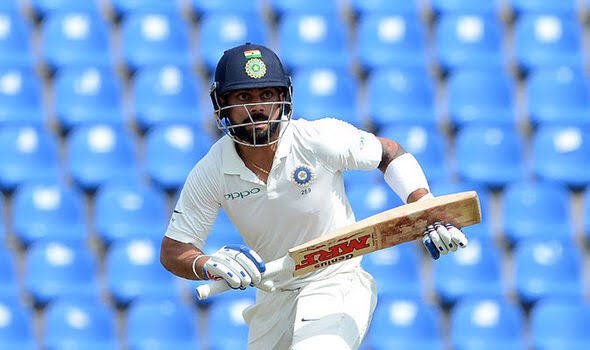
As of August 15, 2026, India and Sri Lanka are also playing a two-match Test series in Sri Lanka as part of the World Test Championship cycle. India won the toss and chose to bat in the opening Test in Galle.
Because sports schedules and results change, current cricket information should always be checked against the latest match data.
19. India vs Sri Lanka: Similarities
Despite their differences, India and Sri Lanka have many similarities.
Geographic Proximity
The countries are neighbors separated by a narrow maritime area.
Historical Connections
People, traders and religious traditions have moved between the two regions for centuries.
Food
Rice, spices, curries and coconut feature prominently in both cuisines.
Religion
Both countries have strong Hindu and Buddhist traditions alongside Islam and Christianity.
Cricket
Cricket is extremely popular in both countries.
Tourism
Both destinations offer beaches, cultural heritage, wildlife and historical attractions.
Indian Ocean Identity
Both countries have strong connections to the Indian Ocean and maritime trade.
20. India vs Sri Lanka: Major Differences
The major differences can be summarized as follows.
Size: India is vastly larger.
Population: India has a dramatically larger population.
Geography: India is a large mainland country with diverse geographic regions, while Sri Lanka is an island.
Climate: India has a much wider range of climates because of its size and elevation.
Economy: India’s economy is significantly larger and more diversified.
Tourism: India offers greater geographic and cultural variety, while Sri Lanka provides a more compact destination.
Languages: India has an exceptionally large number of regional languages, while Sri Lanka has Sinhala and Tamil as its official languages.
Culture: Both countries have shared influences but maintain distinct national and regional traditions.
21. India vs Sri Lanka for Travelers
The better destination depends on what a traveler wants.
Choose India for:
- Huge cultural variety
- Major historical cities
- Himalayan landscapes
- Desert experiences
- Large metropolitan areas
- Extensive regional cuisines
- Longer, more diverse trips
- A very wide range of destinations
Choose Sri Lanka for:
- Compact travel
- Tropical beaches
- Tea country
- Wildlife
- Ancient Buddhist heritage
- Scenic train journeys
- Island landscapes
- Combining several experiences in one relatively small destination
There is no universal winner.
The two countries provide different types of travel experiences.
22. India vs Sri Lanka: Which Is More Diverse?
If the question is about geographic and cultural variety on a national scale, India has the clear advantage because of its enormous size.
India contains multiple climatic zones, numerous major language communities, extensive mountain systems, deserts, forests, beaches and large cities.
Sri Lanka is smaller but has impressive diversity for its size.
Within a relatively compact area, travelers can experience beaches, mountains, forests, tea plantations, historic cities and wildlife areas.
Therefore:
India wins in overall scale and diversity.
Sri Lanka stands out for diversity within a compact island.
23. India vs Sri Lanka: Which Is Better for a Short Trip?
For travelers with limited time, Sri Lanka can be easier to manage because destinations are relatively close together.
A trip can combine:
Colombo → Kandy → Tea Country → Wildlife → Southern Coast
India requires more planning because distances between major attractions can be enormous.
For example, combining the Himalayas, Rajasthan, southern India and Mumbai in one short trip would be extremely demanding.
Therefore, for a short South Asian holiday, Sri Lanka can offer a more concentrated experience.
For a longer trip, India’s enormous variety becomes a major advantage.
24. India vs Sri Lanka: Business and Trade
India and Sri Lanka have significant economic connections.
Their geographical proximity supports trade, tourism, investment and transportation links.
Sri Lanka’s location in the Indian Ocean also gives it importance as a maritime hub.
India, with its much larger economy and population, is an important regional economic power.
The relationship between the two countries therefore has importance beyond tourism and culture.
25. India vs Sri Lanka: Why Both Countries Matter in South Asia
India and Sri Lanka both occupy important positions in South Asia, although their roles are different.
India is a major regional and global economic power with a huge population and extensive territory.
Sri Lanka is a strategically located island nation positioned close to major Indian Ocean shipping routes.
Together, their geographic relationship helps explain many of the historical, commercial and cultural connections that have developed across the region.
India vs Sri Lanka: Cities and Urban Life
Urban life also differs significantly between the two countries.
India has some of the world’s largest and busiest urban centers. Cities such as Mumbai, Delhi, Bengaluru, Chennai, Hyderabad, Kolkata, and Ahmedabad are important centers for business, education, technology, manufacturing, finance, entertainment, and culture.
Sri Lanka’s urban environment is smaller in scale. Colombo is the country’s major commercial and urban center, while cities such as Kandy, Galle, and Jaffna have their own historical and cultural importance.
The difference in urban scale is one of the clearest characteristics of India vs Sri Lanka. India offers enormous metropolitan environments, while Sri Lanka provides a more compact urban experience.
India vs Sri Lanka: Food and Culinary Traditions
Food is an important part of the identity of both nations.
Indian cuisine is famous worldwide for its regional diversity. Food traditions vary considerably from one part of India to another. Northern, southern, eastern, and western regions have different ingredients, cooking techniques, spices, and traditional dishes.
Sri Lankan cuisine also has a distinctive identity. Rice, coconut, seafood, vegetables, spices, and tropical ingredients are commonly associated with its food culture. The country’s coastal location has also influenced its culinary traditions.
Although Indian and Sri Lankan cuisines share some ingredients and historical influences, each has developed unique flavors and cooking styles.
For food enthusiasts, India vs Sri Lanka is not about deciding which cuisine is better. Instead, it is an opportunity to discover two closely connected but clearly different culinary traditions.
India has numerous ecosystems supporting animals, birds, reptiles, marine species, and plant life. Its protected areas include forests, grasslands, wetlands, mountain ecosystems, and coastal environments.
Sri Lanka is also recognized for its remarkable biodiversity. Its national parks and protected areas provide opportunities to see elephants, leopards, birds, reptiles, and many other species.
The key difference is scale. India’s huge geographical area allows for enormous ecological variety, while Sri Lanka’s smaller size makes it possible to encounter several different environments during a relatively short journey.
India vs Sri Lanka: Tea and Agriculture
Agriculture has long been important to both countries.
India produces a wide range of agricultural products because of its different climates and geographical regions. Rice, wheat, fruits, vegetables, spices, tea, cotton, and many other crops contribute to its agricultural economy.
Sri Lanka is particularly well known internationally for tea production. Its central highlands provide favorable conditions for tea cultivation, creating landscapes of green plantations across mountainous areas.
Tea therefore represents an important part of the Sri Lankan identity and economy while also being a significant agricultural product in India.
India vs Sri Lanka: Tourism Experience
Tourism offers two very different styles of travel.
India can provide extremely varied travel experiences. A visitor might explore historic monuments, large cities, mountain regions, beaches, religious destinations, deserts, wildlife reserves, and rural communities.
Sri Lanka provides a more concentrated travel experience. Travelers can combine beaches, cultural attractions, mountains, tea plantations, wildlife parks, and historic cities within a relatively manageable journey.
For someone planning a longer trip with many different experiences, India offers extraordinary scale and variety. For travelers looking for a compact destination with multiple attractions, Sri Lanka can be particularly appealing.
India vs Sri Lanka: Festivals and Traditions
Festivals are deeply connected with everyday life in both countries.
India is famous for its enormous range of festivals associated with different religions, regions, communities, and seasons. Celebrations often include traditional foods, decorations, music, family gatherings, religious ceremonies, and public events.
Sri Lanka also has a rich calendar of cultural and religious celebrations. Buddhist, Hindu, Muslim, and Christian communities contribute to the country’s multicultural traditions.
This diversity demonstrates one of the strongest similarities in the India vs Sri Lanka relationship: both societies have developed rich traditions where religion, family, community, food, and celebrations are closely connected.
India vs Sri Lanka: Art, Music and Literature
Artistic traditions provide another area of cultural connection.
India has an enormous heritage of classical music, folk music, dance, theater, painting, sculpture, cinema, and literature. Different regions have developed their own artistic forms over centuries.
Sri Lanka also has distinctive traditions in dance, music, handicrafts, painting, architecture, and literature. Traditional performances and artistic expressions remain important parts of cultural identity.
Despite differences in language and regional traditions, both countries demonstrate how art can preserve history and connect generations.
India vs Sri Lanka: Education and Knowledge
Education plays an important role in the development of both countries.
India has a large and diverse education system that includes schools, universities, technical institutes, research organizations, and professional institutions. Its major cities are important centers for higher education and scientific research.
Sri Lanka has also developed a significant education sector, with schools and universities serving communities across the island.
Both countries place considerable importance on education as a pathway toward professional development and economic opportunity.
India vs Sri Lanka: Technology and Modern Development
Technology has become increasingly important in both economies.
India has developed a major technology and digital services sector. Its cities have become important centers for software development, information technology, startups, digital services, engineering, and innovation.
Sri Lanka has also expanded its technology and digital sectors, with growing interest in software services, digital businesses, telecommunications, and technology-based entrepreneurship.
The scale is different, but both countries demonstrate how technology can create new opportunities for younger generations and businesses.
India vs Sri Lanka: Shopping and Handicrafts
Shopping can provide another way to understand local culture.
India offers a huge variety of handicrafts, textiles, jewelry, traditional clothing, artwork, spices, decorative products, and regional specialties. Shopping experiences vary greatly from one state or city to another.
Sri Lanka is known for products connected with its island heritage, including tea, traditional crafts, gemstones, textiles, woodwork, and locally produced items.
Travelers interested in cultural shopping can therefore find distinctive products in both countries.
India vs Sri Lanka: Family and Social Life
Family remains an important part of social life in both countries. Respect for elders, community relationships, traditional celebrations, and shared meals are common cultural themes.
However, social customs can vary considerably depending on region, language, religion, city, and family background.
In India, the enormous size of the country means that social traditions can change dramatically from one region to another. Sri Lanka also has cultural diversity, but its smaller geographical scale creates a different national environment.
India vs Sri Lanka: Business Opportunities
The two countries also have different economic strengths and business environments.
India’s large domestic market, industrial base, technology sector, manufacturing capabilities, services industry, and growing digital economy create opportunities across numerous sectors.
Sri Lanka has a smaller economy but benefits from its strategic location in the Indian Ocean. Tourism, agriculture, tea, services, logistics, manufacturing, and international trade are important areas of economic activity.
The India vs Sri Lanka comparison therefore provides useful insight into two different economic models within the South Asian region.
India vs Sri Lanka: Why Both Countries Are Worth Exploring
India and Sri Lanka should not necessarily be viewed as competing destinations. They can complement each other.
India is ideal for travelers who want enormous cultural variety, major historical attractions, large cities, diverse landscapes, and extensive regional exploration.
Sri Lanka is attractive for those looking for beaches, wildlife, cultural heritage, tea plantations, tropical scenery, and a destination that can be explored within a relatively compact area.
The right choice depends on travel goals, available time, interests, and preferred style of exploration.
India vs Sri Lanka: A Relationship Beyond Geography
The relationship between India and Sri Lanka demonstrates how neighboring countries can maintain deep connections while preserving separate national identities.
Their shared history can be seen through religion, language influences, food, trade, migration, literature, and cultural traditions. Modern relationships have expanded into tourism, education, commerce, investment, maritime cooperation, and regional connectivity.
This makes India vs Sri Lanka more than a simple country comparison. It is a study of two societies connected by geography and history but shaped by different environments and historical experiences.