Email : sales@storracks.com
Cargo Lift: The Smart Solution for Safe and Efficient Material Handling

In today’s fast-moving industrial and commercial world, businesses need reliable systems to move heavy goods quickly and safely. Whether it is a warehouse handling palletized inventory, a manufacturing plant transporting machinery, or a retail store moving stock between floors, efficient material handling plays a vital role in daily operations. One of the most practical and dependable solutions for this challenge is a cargo lift.
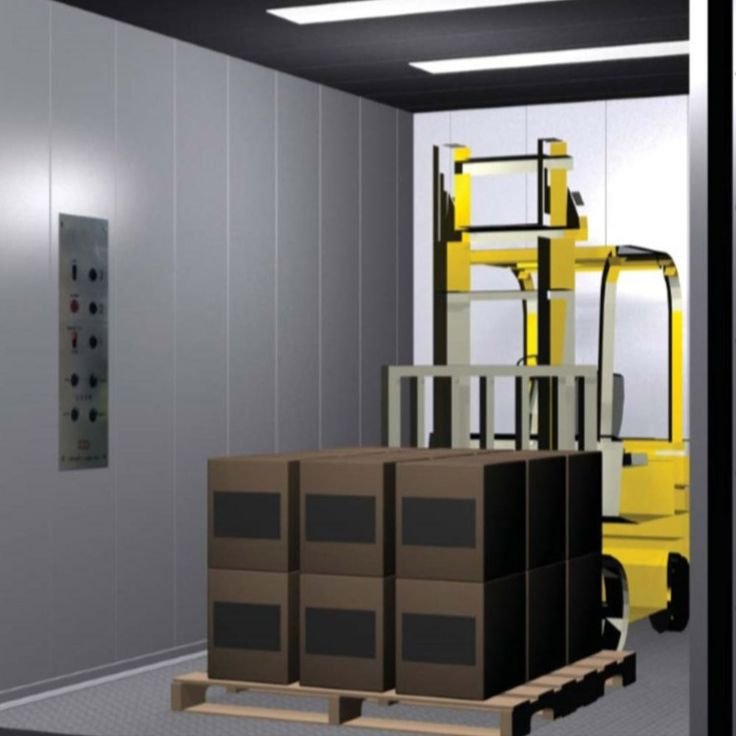
A cargo lift is designed specifically for transporting goods rather than passengers. It helps businesses reduce manual labor, improve workplace safety, increase productivity, and make better use of available space. With industries continuously expanding and storage requirements becoming more demanding, cargo lifts have become an essential investment for companies that value efficiency and operational excellence.
At Storracks Technical Services, we specialize in providing high-quality cargo lift solutions tailored to the unique needs of warehouses, factories, logistics centers, commercial buildings, and other industrial facilities. Our focus is on delivering durable, safe, and cost-effective lifting systems that help businesses streamline their material handling processes while maintaining the highest safety standards.
What Is a Cargo Lift?
A cargo lift is a heavy-duty vertical transportation system designed to move goods, equipment, pallets, cartons, machinery, and other materials between different floor levels. Unlike passenger elevators, cargo lifts are engineered to carry substantial loads and withstand demanding industrial environments.
Modern cargo lifts are equipped with advanced safety features, durable platforms, reliable lifting mechanisms, and user-friendly controls. They are available in different capacities and configurations, allowing businesses to choose a solution that best fits their operational requirements.
Depending on the application, a cargo lift can be installed inside a building, in a warehouse, beside a loading dock, or in an outdoor industrial setting. Every installation is customized according to the available space, load capacity, lifting height, and frequency of use.
Why Cargo Lifts Are Important for Businesses
As businesses grow, handling materials manually becomes inefficient, time-consuming, and expensive. Employees who repeatedly lift heavy goods face a greater risk of workplace injuries, while manual transportation also increases the likelihood of product damage.
Installing a cargo lift transforms the entire workflow by enabling quick, safe, and organized movement of goods between floors. This improvement not only saves time but also enhances employee productivity and customer satisfaction.
Businesses that invest in cargo lift systems often experience faster order fulfillment, improved warehouse organization, lower labor costs, and reduced operational delays. In competitive industries where efficiency matters, these advantages contribute directly to better profitability.
Key Benefits of Installing a Cargo Lift
Improved Workplace Safety
Safety is one of the biggest reasons businesses choose cargo lifts. Heavy materials can cause serious injuries when moved manually. A professionally installed cargo lift minimizes manual handling and provides a safer working environment for employees.
Faster Material Handling
Transporting heavy products by stairs or ramps wastes valuable time. Cargo lifts move goods efficiently between floors, allowing employees to complete tasks more quickly and increasing overall productivity.
Higher Operational Efficiency
A reliable cargo lift simplifies the movement of inventory throughout the facility. This helps maintain a smoother workflow, reduces delays, and supports faster production and distribution processes.
Better Space Utilization
Instead of expanding horizontally, businesses can maximize vertical storage space. Cargo lifts make it practical to store goods on multiple levels while maintaining quick access whenever needed.
Reduced Labor Costs
Manual transportation often requires several workers to move heavy loads. With a cargo lift, fewer employees are needed for lifting operations, allowing businesses to allocate labor more effectively.
Long-Term Cost Savings
Although installing a cargo lift requires an initial investment, the long-term savings from improved efficiency, reduced product damage, fewer workplace injuries, and lower labor costs make it a cost-effective solution for most businesses.
Industries That Benefit from Cargo Lifts
Cargo lifts are widely used across multiple industries because they offer flexibility, reliability, and excellent lifting performance.
Common industries that rely on cargo lifts include:
- Warehouses and Distribution Centers
- Manufacturing Plants
- Logistics Companies
- Retail Stores
- Shopping Malls
- Pharmaceutical Facilities
- Food Processing Industries
- Cold Storage Warehouses
- Textile Manufacturing Units
- Automotive Workshops
- Hotels and Restaurants
- Construction Projects
Each industry has different operational requirements, which is why choosing the right cargo lift design is essential for achieving maximum efficiency and safety.
Features of a High-Quality Cargo Lift
A professionally engineered cargo lift should deliver dependable performance while ensuring safe operation under heavy workloads. Important features include:
- Heavy-duty steel construction
- High load-bearing capacity
- Smooth lifting mechanism
- User-friendly control panel
- Overload protection system
- Emergency stop function
- Secure safety gates
- Anti-slip platform surface
- Energy-efficient motor
- Low maintenance requirements
- Long operational lifespan
Selecting a cargo lift with these features ensures reliable performance, minimizes downtime, and provides long-term value for your investment.
In today’s industrial and commercial landscape, speed, safety, and efficiency are essential for business success. Whether you operate a warehouse, manufacturing plant, logistics center, shopping mall, or commercial building, transporting heavy goods manually between floors can be time-consuming, expensive, and unsafe. This is where a cargo lift becomes an indispensable solution.
A cargo lift is specifically designed to transport goods, equipment, machinery, and materials safely between different levels of a building. Unlike passenger elevators, cargo lifts are built to handle heavy loads while ensuring maximum stability and reliability. They play a crucial role in improving workflow, reducing labor costs, and enhancing workplace safety.
Businesses worldwide are increasingly investing in cargo lift systems because they simplify material handling and support faster operations. By reducing manual lifting, companies can minimize workplace injuries, protect valuable inventory, and increase overall productivity.
At Storracks Technical Services, we provide high-quality cargo lift solutions designed to meet the needs of modern industries. Our lifts are engineered for durability, safety, and long-term performance, making them an excellent investment for warehouses, factories, retail stores, and commercial facilities.
What Is a Cargo Lift?
A cargo lift is a heavy-duty lifting system that moves goods vertically from one floor to another. It is commonly used in industrial, commercial, and storage environments where large or heavy items need to be transported quickly and safely.
Unlike standard elevators that are intended for people, cargo lifts are designed exclusively for material transportation. They feature reinforced platforms, powerful lifting mechanisms, and advanced safety systems to ensure smooth and secure operation even under demanding conditions.
Cargo lifts can transport:
- Pallets
- Cartons
- Industrial machinery
- Manufacturing equipment
- Raw materials
- Warehouse inventory
- Heavy tools
- Construction materials
- Food products
- Pharmaceutical supplies
These lifts are available in various load capacities and can be customized to suit the available space and operational requirements of different businesses.
Why Every Business Needs a Cargo Lift
As businesses expand, the movement of goods becomes more frequent and more demanding. Manual handling not only slows down operations but also increases the risk of employee injuries and product damage.
A cargo lift eliminates these challenges by providing a safe, efficient, and reliable method of transporting materials between floors. Instead of relying on manpower alone, businesses can automate vertical transportation, allowing employees to focus on more productive tasks.
Installing a cargo lift also helps companies comply with workplace safety regulations by reducing manual lifting and improving material handling practices.
Benefits of Installing a Cargo Lift
1. Improved Workplace Safety
Safety is one of the most important reasons businesses invest in cargo lifts. Employees no longer need to carry heavy loads up stairs or ramps, reducing the risk of strains, falls, and lifting-related injuries. Modern cargo lifts include features such as overload protection, emergency stop buttons, safety gates, and anti-slip platforms to ensure secure operation.
2. Faster Material Transportation
Time is a valuable asset in any business. A cargo lift allows goods to move between floors within minutes, helping warehouses, factories, and commercial facilities maintain smooth operations and meet customer demands more efficiently.
3. Increased Productivity
When materials can be transported quickly, employees spend less time on manual handling and more time on value-added tasks. This improves workflow, enhances operational efficiency, and boosts overall productivity.
4. Better Space Utilization
Many businesses struggle with limited floor space. Cargo lifts make it easy to use vertical storage by transporting goods between multiple levels, allowing organizations to maximize available space without expanding their facilities.
5. Reduced Labor Costs
Moving heavy materials manually often requires multiple workers. With a cargo lift, fewer employees are needed for transportation tasks, enabling businesses to allocate labor more effectively and reduce operational costs.
6. Protection of Valuable Goods
Manual handling can result in damaged products, especially when transporting fragile or heavy items. Cargo lifts provide stable and controlled movement, minimizing the risk of product damage and reducing financial losses.
Common Applications of Cargo Lifts
Cargo lifts are used in a wide range of industries because they provide reliable and efficient material handling solutions.
Some of the most common applications include:
- Warehouses and storage facilities
- Manufacturing plants
- Logistics and distribution centers
- Shopping malls
- Supermarkets
- Hotels and restaurants
- Pharmaceutical companies
- Textile industries
- Automotive workshops
- Cold storage facilities
- Food processing plants
- Construction sites
Each application requires different load capacities, platform sizes, and lifting heights, making customization an important aspect of cargo lift selection.
Why Choose Storracks Technical Services?
At Storracks Technical Services, we understand that every business has unique material handling requirements. Our cargo lift solutions are designed to deliver maximum efficiency, safety, and durability while meeting international quality standards.
From consultation and design to installation and maintenance, our experienced team ensures that every cargo lift system performs reliably for years. We focus on providing customized solutions that improve operational efficiency, reduce downtime, and offer excellent long-term value.
Why Modern Businesses Need a Lift
As industries continue to expand, the need for efficient vertical transportation has become more important than ever. Warehouses are storing larger inventories, factories are handling heavier equipment, and logistics companies are processing thousands of shipments every day. Without an efficient lifting solution, these operations can become slow, expensive, and difficult to manage.
A lift provides a practical way to move goods between different levels without relying on manual labor. It reduces physical strain on workers, speeds up material handling, and creates a safer working environment. By improving the flow of goods throughout the facility, businesses can increase productivity, reduce downtime, and provide better customer service.
For growing companies, investing in a quality lift is not just about convenience—it is a strategic decision that contributes to long-term operational success.
Benefits of Installing a Lift
Improved Workplace Safety
Safety is one of the biggest priorities for every organization. Handling heavy materials manually can lead to accidents, muscle injuries, slips, and damaged products. A professionally installed lift minimizes these risks by allowing goods to be transported securely and efficiently. Modern systems are equipped with safety gates, overload protection, emergency stop controls, and secure locking mechanisms to provide maximum protection during operation.
Higher Productivity
Efficient transportation of goods allows employees to complete their tasks faster and with less physical effort. Instead of spending valuable time carrying heavy items between floors, workers can focus on core business activities that improve productivity and profitability.
Reduced Operating Costs
Manual transportation often requires additional manpower and consumes valuable working hours. By automating vertical movement, businesses can reduce labor costs, improve resource utilization, and lower the overall cost of daily operations. The long-term savings often outweigh the initial investment in a lifting system.
Better Space Management
A lift enables businesses to make full use of vertical storage areas. Instead of expanding to larger premises, companies can optimize their existing space by storing goods on multiple levels while maintaining quick and convenient access. This improves warehouse organization and supports future business expansion without increasing rental or construction costs.
Protection of Goods
Fragile products, machinery, and valuable inventory require careful handling during transportation. Manual movement can increase the risk of drops, impacts, and damage. A reliable lift provides smooth and controlled movement, helping businesses protect their inventory and reduce unnecessary losses.
Applications Across Different Industries
Lifting systems are widely used in industries where efficient material handling is essential. Warehouses rely on them to move palletized goods between storage levels, manufacturing plants use them to transport raw materials and finished products, and logistics centers depend on them for faster loading and unloading operations.
Retail businesses benefit by moving stock efficiently between storage rooms and sales floors, while hotels and restaurants use lifts to transport supplies and equipment without disrupting guest areas. Pharmaceutical companies, food processing facilities, textile manufacturers, automotive workshops, and construction projects also rely on modern lifting solutions to improve safety and operational efficiency.
Because every business has unique requirements, lifting systems can be customized in terms of platform size, load capacity, lifting height, control systems, and installation location. This flexibility ensures that each solution delivers maximum performance while meeting the specific operational needs of the facility.
Choosing the Right Lift
Selecting the right lifting solution requires careful planning. Factors such as the weight of materials, available installation space, frequency of use, building structure, and future business growth should all be considered before making a decision. Choosing a system that matches operational requirements helps improve efficiency, reduce maintenance costs, and ensure long-term reliability.
Working with an experienced provider is equally important. Professional design, quality manufacturing, proper installation, and regular maintenance all contribute to the safe and efficient operation of the equipment throughout its service life.
Why Choose Storracks Technical Services?
At Storracks Technical Services, we are committed to delivering innovative lifting solutions that combine strength, reliability, and advanced safety features. Our experienced team works closely with clients to understand their operational requirements and recommend systems that improve productivity while maintaining the highest standards of quality.
From consultation and planning to installation and after-sales support, we focus on providing dependable solutions that help businesses operate more efficiently. Every project is completed with precision, ensuring long-lasting performance and customer satisfaction.
A well-designed lift is more than just equipment—it is an investment in safer operations, better workflow, and sustainable business growth. By choosing the right solution and partnering with experienced professionals, organizations can improve material handling, reduce operational costs, and build a more productive workplace for the future.
A professionally designed lift is more than just a piece of equipment. It is an investment that improves workflow, enhances workplace safety, and supports long-term business growth. Whether operating a warehouse, manufacturing unit, distribution center, shopping mall, or multi-level commercial facility, businesses require reliable systems that ensure goods move quickly and safely between floors.
One of the biggest challenges faced by growing businesses is handling increasing inventory without expanding their physical space. Constructing larger buildings or relocating to a bigger facility often requires significant financial investment. Instead, many companies choose to maximize vertical storage by utilizing upper floors more efficiently. A lift makes this possible by allowing goods to be transported effortlessly between different levels, helping businesses increase storage capacity while making better use of existing infrastructure.
Efficient material movement also has a direct impact on customer satisfaction. When products can be transferred quickly from storage areas to packing stations or dispatch departments, orders are processed faster and delivery times improve. Businesses that maintain an organized workflow are better equipped to meet customer expectations, reduce delays, and strengthen their reputation in the marketplace.
Another major advantage of installing a lifting system is the reduction of workplace risks. Manual handling of heavy materials exposes employees to injuries such as back strain, muscle fatigue, slips, and falls. Workplace accidents not only affect employee well-being but can also lead to production delays, compensation costs, and reduced operational efficiency. Modern lifting systems eliminate many of these risks by providing a safe and controlled method for transporting goods.
Automation has become a key factor in improving industrial performance. Companies are investing in technologies that reduce manual work while increasing speed and accuracy. A lift supports this transformation by integrating smoothly into warehouse operations, production lines, and logistics systems. Employees spend less time transporting goods and more time focusing on productive tasks that contribute to business growth.
Energy efficiency is another important consideration for modern businesses. Today’s lifting systems are designed with advanced motors and intelligent control technology that optimize power consumption while maintaining reliable performance. This helps organizations reduce operating costs without compromising productivity. Choosing energy-efficient equipment also supports sustainability goals by lowering overall energy usage.
Flexibility is equally important when selecting a lifting solution. Every business has unique operational requirements, and a standard design may not always provide the best results. Custom-built systems can be designed according to available space, platform dimensions, lifting height, load capacity, and the specific type of materials being handled. This ensures smooth operation while maximizing available floor space.
Regular maintenance plays a vital role in ensuring consistent performance and extending equipment life. Preventive inspections help identify potential issues before they become major problems, reducing unexpected downtime and avoiding costly repairs. Businesses that invest in routine servicing benefit from improved reliability, higher safety standards, and lower long-term maintenance expenses.
Choosing the right installation partner is just as important as selecting the right equipment. A trusted company provides expert consultation, site evaluation, professional installation, and responsive after-sales support. Working with experienced specialists ensures that every lifting solution meets operational requirements, complies with safety standards, and delivers dependable performance for years.