Email : sales@storracks.com

وقود: الدليل الشامل لأنواع وقود واستخداماته وأهميته ومستقبله في 2026_Storracks Technical Services

يُعتبر وقود من أهم الموارد في العالم
يُعتبر وقود من أهم الموارد التي يعتمد عليها العالم لتوليد الطاقة وتشغيل وسائل النقل والمصانع والمعدات المختلفة. فمنذ اكتشاف النفط والغاز الطبيعي، أصبح وقود جزءًا أساسيًا من الحياة اليومية والاقتصاد العالمي. ومع التطور التكنولوجي وزيادة الاهتمام بالاستدامة، ظهرت أنواع جديدة من وقود تهدف إلى تقليل الانبعاثات الضارة وتحسين كفاءة استهلاك وقود.
في هذا الدليل الشامل، سنتعرف على مفهوم وقود، وأنواع وقود المختلفة، واستخدامات وقود، وأهمية وقود في مختلف القطاعات، وتأثير وقود على البيئة، بالإضافة إلى مستقبل وقود في ظل التحول العالمي نحو مصادر الطاقة النظيفة.
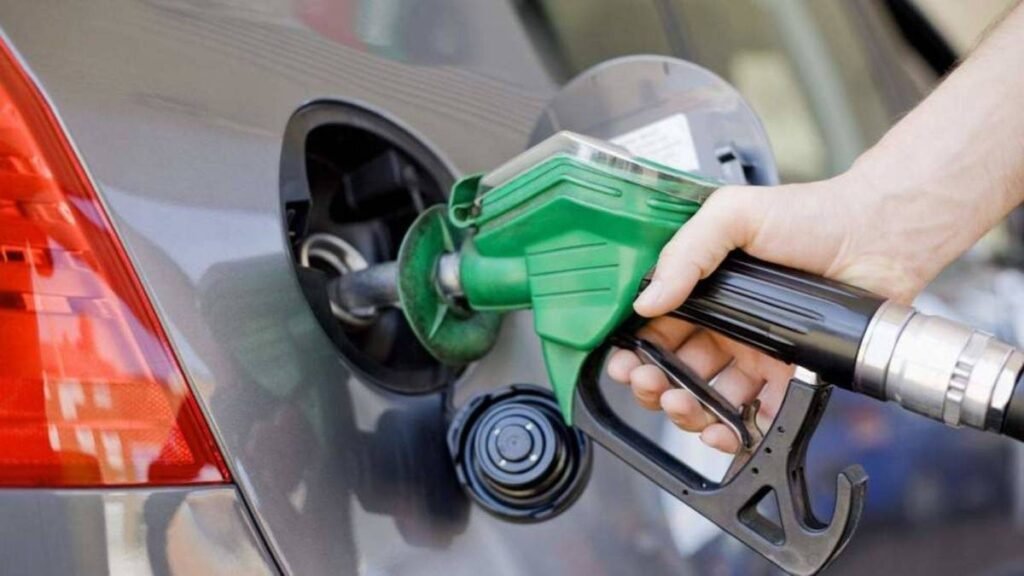
ما هو وقود؟
وقود هو أي مادة يمكن استخدامها لإنتاج الطاقة من خلال الاحتراق أو التفاعلات الكيميائية أو العمليات الكهربائية. عند احتراق وقود، يتم إطلاق الطاقة المخزنة داخله على شكل حرارة أو حركة أو كهرباء، مما يجعله عنصرًا أساسيًا في تشغيل السيارات والطائرات والسفن والمصانع ومحطات توليد الكهرباء.
يعتمد اختيار نوع وقود على عدة عوامل مثل الكفاءة، والتكلفة، والأثر البيئي، وسهولة التوفر. لذلك، تختلف أنواع وقود المستخدمة حسب طبيعة الاستخدام ومتطلبات كل قطاع.
تاريخ تطور وقود
بدأ الإنسان باستخدام الحطب كمصدر رئيسي للطاقة منذ آلاف السنين، ثم انتقل إلى الفحم خلال الثورة الصناعية، وبعدها أصبح النفط والغاز الطبيعي المصدرين الأساسيين للطاقة في العالم. وفي السنوات الأخيرة، بدأ العالم في الاستثمار في وقود الحيوي والهيدروجين والطاقة الكهربائية بهدف تقليل الاعتماد على وقود الأحفوري وتحقيق التنمية المستدامة.
أنواع وقود
توجد عدة أنواع من وقود تُستخدم في مختلف القطاعات، ويتميز كل نوع بخصائص واستخدامات مختلفة.
أولاً: وقود السائل
يعد وقود السائل الأكثر استخدامًا في وسائل النقل، ومن أشهر أنواعه:
أشهر أنواع الوقود السائل
- البنزين
- الديزل
- الكيروسين
- وقود الطائرات
يمتاز بسهولة التخزين والنقل، كما يوفر كثافة طاقة عالية تجعله مناسبًا لتشغيل المركبات والطائرات والسفن.
ثانياً: وقود الغازي
يشمل وقود الغازي عدة أنواع مثل:
أشهر أنواع الوقود الغازي
- الغاز الطبيعي
- غاز البترول المسال (LPG)
- الغاز المضغوط (CNG)
ويتميز بانخفاض الانبعاثات الكربونية مقارنة بالبنزين والديزل، بالإضافة إلى كفاءته العالية في الاستخدام المنزلي والصناعي.
ثالثاً: وقود الصلب
يتضمن وقود الصلب الأنواع التالية:
أشهر أنواع الوقود الصلب
- الفحم الحجري
- الفحم النباتي
- الحطب
ويستخدم بشكل رئيسي في الصناعات الثقيلة وبعض محطات توليد الكهرباء، رغم أن استخدامه أصبح أقل بسبب تأثيره البيئي.
رابعاً: وقود الحيوي
يُنتج وقود الحيوي من مصادر متجددة مثل:
مصادر الوقود الحيوي
- الذرة
- قصب السكر
- الزيوت النباتية
- المخلفات الزراعية
ويساعد هذا النوع من وقود في تقليل انبعاثات الكربون ودعم الاقتصاد الأخضر.
خامساً: وقود الكهربائي
مع انتشار السيارات الكهربائية، أصبح الاعتماد على الكهرباء بديلاً متزايدًا عن وقود التقليدي، خاصة في المدن التي تسعى إلى تقليل التلوث وتحسين جودة الهواء.
Fuel: Everything You Need to Know About Fuel, Its Types, Uses, Benefits, and Future
Fuel is one of the most important resources that powers modern civilization. From personal vehicles and commercial transportation to industrial machinery, aircraft, ships, and power plants, fuel plays a critical role in keeping the world moving. Every day, billions of people rely on different types of fuel to travel, produce goods, generate electricity, and perform countless daily activities. Without reliable fuel sources, economic growth, industrial development, and global trade would come to a standstill.
Fuel is any substance that can produce energy through combustion, chemical reactions, or other energy conversion processes. When fuel is burned or converted into usable energy, it releases heat that can be transformed into mechanical power, electricity, or other forms of energy. Throughout history, humans have used various fuel sources, beginning with wood and charcoal, followed by coal during the Industrial Revolution, and later petroleum and natural gas, which continue to dominate global energy consumption today.
There are several major types of fuel available, each designed for different applications and industries. Liquid fuels such as gasoline, diesel, aviation fuel, and kerosene are widely used in transportation because they offer high energy density and are easy to store and transport. Gaseous fuels, including natural gas, compressed natural gas (CNG), liquefied petroleum gas (LPG), and hydrogen, provide cleaner combustion and are increasingly used in homes, industries, and vehicles. Solid fuels like coal, wood, biomass, and charcoal continue to play a significant role in electricity generation and manufacturing in many parts of the world. In recent years, renewable fuels such as biodiesel, ethanol, and sustainable aviation fuel have gained popularity as environmentally friendly alternatives to traditional fossil fuels.
Fuel is essential for almost every sector of the global economy. Transportation relies heavily on fuel to power cars, motorcycles, buses, trucks, trains, ships, and airplanes. Manufacturing industries require fuel to operate heavy machinery, production lines, furnaces, and generators. Agriculture depends on fuel to run tractors, irrigation systems, harvesters, and other farming equipment. Construction companies use fuel to operate cranes, excavators, bulldozers, and other heavy equipment. Additionally, many countries still generate a significant portion of their electricity using coal, natural gas, or oil-based power plants.
The quality of fuel has a direct impact on engine performance, operational efficiency, and maintenance costs. High-quality fuel helps engines run smoothly, improves fuel economy, reduces harmful emissions, minimizes engine deposits, and extends the lifespan of vehicles and machinery. Poor-quality fuel, on the other hand, can reduce performance, increase fuel consumption, damage engine components, and lead to expensive repairs. This is why consumers and businesses are encouraged to purchase fuel from trusted suppliers and follow manufacturer recommendations regarding fuel specifications.
Fuel prices significantly influence the global economy. Changes in crude oil prices affect transportation costs, manufacturing expenses, food prices, and the cost of consumer goods worldwide. When fuel prices increase, businesses often experience higher operating costs, which can lead to increased prices for products and services. Conversely, lower fuel prices can stimulate economic growth by reducing production and transportation expenses. Governments, businesses, and consumers closely monitor fuel markets because price fluctuations have widespread economic consequences.
While fuel remains indispensable, its environmental impact has become a major concern. Burning fossil fuels releases carbon dioxide (CO₂), nitrogen oxides, sulfur dioxide, and particulate matter into the atmosphere. These emissions contribute to air pollution, climate change, acid rain, and public health issues. As awareness of environmental challenges continues to grow, governments and industries are investing heavily in cleaner energy technologies and low-carbon fuel alternatives. Renewable fuels, hydrogen energy, electric vehicles, and carbon capture technologies are becoming increasingly important in reducing greenhouse gas emissions and achieving global sustainability goals.
The future of fuel is rapidly evolving as technology advances and environmental regulations become stricter. Researchers are developing cleaner fuels that produce fewer emissions while maintaining high energy efficiency. Hydrogen fuel cells, synthetic fuels, biofuels, and sustainable aviation fuels are expected to play a major role in the future energy landscape. At the same time, electric mobility and renewable energy sources such as solar and wind power are transforming the transportation and power generation sectors, reducing dependence on traditional fossil fuels.
Consumers can also take simple steps to reduce fuel consumption and improve efficiency. Regular vehicle maintenance, maintaining proper tire pressure, avoiding excessive idling, driving at moderate speeds, reducing unnecessary weight, and planning efficient travel routes can significantly lower fuel usage. These practices not only save money but also reduce environmental impact and extend the lifespan of vehicles.
As the global demand for energy continues to rise, fuel will remain a cornerstone of economic development and technological progress. However, balancing energy needs with environmental responsibility is becoming increasingly important. The transition toward cleaner fuels, renewable energy, and sustainable technologies represents one of the most significant changes in the history of the energy industry. Understanding fuel, its different types, applications, advantages, challenges, and future innovations helps individuals and businesses make informed decisions while contributing to a more sustainable and energy-efficient world.
How Fuel Supports Everyday Life
Fuel is deeply integrated into nearly every aspect of modern living. Whether people are commuting to work, shipping products across continents, or generating electricity for homes and businesses, fuel makes these activities possible. Hospitals depend on backup fuel-powered generators to maintain critical medical equipment during power outages. Emergency services such as ambulances, fire trucks, and police vehicles rely on fuel to respond quickly during emergencies. Public transportation systems also depend on reliable fuel supplies to move millions of passengers every day.
In rural communities, fuel is equally important. Farmers use fuel to operate tractors, irrigation pumps, harvesters, and transportation vehicles that bring agricultural products to market. Without sufficient fuel supplies, food production and distribution would face serious challenges, affecting food security around the world.
The Importance of Fuel in Global Trade
International trade depends heavily on fuel. Cargo ships transport millions of containers between countries using marine fuel, while airplanes rely on aviation fuel to carry passengers and freight across continents. Trucks and trains deliver goods from ports to warehouses, retailers, and customers.
As e-commerce continues to grow, the demand for efficient transportation has increased significantly. Every online purchase involves a logistics network powered by various forms of fuel. From warehouse operations to last-mile delivery, fuel remains an essential component of the global supply chain.
Fuel Efficiency and Why It Matters
Fuel efficiency refers to the amount of energy or distance obtained from a specific quantity of fuel. Vehicles and machines with higher fuel efficiency consume less fuel while delivering the same level of performance. Improving fuel efficiency benefits consumers, businesses, and the environment by lowering operating costs and reducing greenhouse gas emissions.
Modern automobile manufacturers continue to develop engines that maximize fuel efficiency through advanced technologies such as turbocharging, direct fuel injection, hybrid systems, lightweight materials, and improved aerodynamics. These innovations help drivers save money while minimizing environmental impact.
Factors That Affect Fuel Consumption
Several factors influence how much fuel a vehicle or machine consumes. Understanding these factors can help improve efficiency and reduce costs.
- Driving habits, including sudden acceleration and hard braking.
- Vehicle weight and cargo load.
- Tire pressure and tire condition.
- Engine maintenance and servicing.
- Weather conditions and road quality.
- Traffic congestion and frequent stops.
- Air conditioning usage.
- Fuel quality and engine compatibility.
Maintaining proper driving habits and regular vehicle inspections can significantly improve fuel economy over time.
Renewable Fuels and Sustainable Energy
Renewable fuels are becoming increasingly important as the world seeks cleaner energy solutions. Unlike fossil fuels, renewable fuels are produced from sustainable resources that can be replenished naturally. Common renewable fuels include biodiesel, ethanol, renewable diesel, biogas, and sustainable aviation fuel.
These fuels offer several advantages, including reduced carbon emissions, improved air quality, and decreased dependence on imported petroleum. Governments worldwide continue to encourage renewable fuel production through research funding, tax incentives, and environmental regulations.
As technology advances, renewable fuels are expected to become more affordable and widely available, making them a key component of future energy systems.
Alternative Fuel Technologies
The energy industry is investing heavily in alternative fuel technologies designed to reduce environmental impact while maintaining reliable performance. Some of the most promising technologies include:
Hydrogen Fuel
Hydrogen produces electricity through fuel cells while emitting only water vapor. It is considered one of the cleanest energy sources for transportation and industrial applications.
Electric Vehicles
Battery-powered electric vehicles eliminate direct fuel combustion and produce zero tailpipe emissions. As battery technology improves, electric vehicles are becoming more affordable and practical for everyday use.
Synthetic Fuels
Synthetic fuels are manufactured using captured carbon dioxide and renewable energy. They can potentially replace conventional fuels without requiring significant modifications to existing engines.
Biofuels
Biofuels are produced from crops, agricultural waste, algae, and organic materials. They help reduce greenhouse gas emissions while supporting agricultural industries.
Fuel Safety Guidelines
Proper fuel handling is essential for protecting people, equipment, and the environment. Whether using gasoline, diesel, or natural gas, safety should always be a priority.
Important fuel safety practices include:
- Store fuel in approved containers.
- Keep fuel away from open flames and heat sources.
- Avoid smoking near fuel storage areas.
- Clean spills immediately.
- Ensure proper ventilation when handling fuel.
- Follow manufacturer instructions for fueling equipment.
- Regularly inspect fuel storage tanks for leaks.
Following these guidelines reduces the risk of accidents and environmental contamination.
Environmental Challenges of Fuel Production
Fuel production involves exploration, drilling, refining, transportation, and distribution. Each stage has environmental implications, including habitat disruption, greenhouse gas emissions, water usage, and potential oil spills.
Many energy companies are investing in cleaner refining processes, carbon capture systems, methane emission reduction, and renewable energy integration to minimize their environmental footprint. These improvements aim to balance energy production with environmental protection.
The Role of Governments in Fuel Regulation
Governments play a vital role in regulating fuel production, distribution, and consumption. They establish fuel quality standards, environmental regulations, taxation policies, and safety requirements to protect consumers and reduce pollution.
Many countries have introduced stricter vehicle emission standards, promoted cleaner fuels, and invested in renewable energy infrastructure. These initiatives encourage innovation while supporting long-term sustainability goals.
Future Innovations in the Fuel Industry
The fuel industry continues to evolve through technological innovation. Artificial intelligence, automation, digital monitoring systems, and advanced refining technologies are improving production efficiency and reducing operational costs.
Scientists are exploring carbon-neutral fuels, advanced biofuels, hydrogen-powered transportation, and next-generation battery technologies that could reshape the global energy landscape. These innovations are expected to increase energy security while supporting economic growth and environmental sustainability.
Fuel Storage and Transportation
Proper fuel storage and transportation are essential for ensuring safety, maintaining fuel quality, and preventing environmental damage. Different types of fuel require specific storage methods based on their chemical properties. Gasoline and diesel are typically stored in underground or above-ground tanks equipped with safety systems that prevent leaks and contamination. Natural gas is transported through extensive pipeline networks, while liquefied natural gas (LNG) is stored at extremely low temperatures for efficient shipping across long distances.
Fuel transportation is one of the largest industries in the world. Crude oil is moved through pipelines, oil tankers, railways, and road tankers before reaching refineries. After refining, fuel is distributed to gas stations, airports, industries, and commercial facilities. Efficient logistics ensure that fuel reaches consumers safely and on time while minimizing losses during transportation.
The Fuel Refining Process
Before crude oil can be used, it must undergo a refining process that separates it into useful petroleum products. Modern refineries use advanced technologies to produce gasoline, diesel, jet fuel, lubricants, asphalt, and petrochemical feedstocks.
The refining process generally includes:
- Crude oil separation through distillation.
- Removal of impurities such as sulfur.
- Conversion of heavy hydrocarbons into lighter fuels.
- Blending different fuel components.
- Quality testing before distribution.
Modern refineries continuously improve production efficiency while reducing emissions and waste generated during fuel processing.
Fuel and Energy Security
Energy security refers to a country’s ability to maintain a stable and uninterrupted fuel supply. Nations invest billions of dollars in strategic petroleum reserves, fuel infrastructure, and diversified energy sources to protect themselves from supply disruptions caused by natural disasters, geopolitical conflicts, or market fluctuations.
A secure fuel supply supports national defense, healthcare systems, transportation networks, emergency services, and industrial production. Countries that invest in domestic energy production and renewable energy resources often experience greater economic stability and reduced dependence on imported fuels.
Fuel in Aviation
The aviation industry depends almost entirely on specialized jet fuels designed to perform under extreme conditions. Aviation fuel must remain stable at high altitudes, resist freezing temperatures, and deliver maximum energy efficiency.
Commercial airlines consume millions of liters of fuel every day, making fuel one of their largest operating expenses. As a result, airlines continuously invest in fuel-efficient aircraft, lighter materials, improved aerodynamics, and optimized flight routes to reduce fuel consumption and operating costs.
Sustainable Aviation Fuel (SAF) is becoming increasingly important as airlines seek to lower carbon emissions while maintaining operational efficiency.
Fuel in Marine Transportation
Global shipping carries approximately 80–90% of international trade by volume, making marine fuel essential for the world economy. Large cargo ships traditionally use heavy fuel oil, although stricter environmental regulations are encouraging the transition toward cleaner alternatives such as liquefied natural gas (LNG), biofuels, methanol, ammonia, and hydrogen.
Modern shipping companies are investing in fuel-efficient engines, digital navigation systems, and cleaner fuels to reduce emissions while maintaining reliable international trade.
Fuel in Power Generation
Power plants remain one of the largest consumers of fuel worldwide. Coal, natural gas, diesel, and fuel oil have traditionally been used to generate electricity for residential, commercial, and industrial consumers.
Natural gas has become one of the preferred fuels for electricity generation because it produces fewer emissions than coal while maintaining high efficiency. At the same time, renewable energy sources such as solar, wind, hydroelectric, and geothermal power are gradually reducing dependence on fossil fuels in many countries.
Hybrid power systems that combine renewable energy with fuel-powered backup generators provide reliable electricity while reducing environmental impact.
Fuel in Manufacturing Industries
Manufacturing industries rely on fuel to operate heavy equipment, industrial furnaces, boilers, generators, and production lines. Industries such as steel, cement, chemicals, glass, paper, and food processing require enormous amounts of energy every day.
Energy-efficient manufacturing technologies help companies reduce fuel consumption while improving productivity. Many factories are replacing older equipment with modern, fuel-efficient machinery to lower operating costs and comply with environmental regulations.
Fuel Market Trends
The global fuel market changes continuously due to supply and demand, geopolitical events, technological innovation, environmental policies, and economic growth.
Some of the most important trends shaping today’s fuel industry include:
- Increasing investment in renewable fuels.
- Expansion of electric vehicle infrastructure.
- Development of hydrogen production facilities.
- Growth of sustainable aviation fuel.
- Digital monitoring of fuel supply chains.
- Artificial intelligence in refinery operations.
- Carbon capture and storage technologies.
- Smart fuel management systems.
These trends demonstrate how the energy sector is adapting to meet growing global demand while reducing environmental impact.
Advantages of High-Quality Fuel
Using premium-quality fuel offers numerous long-term benefits for both individuals and businesses.
Some key advantages include:
- Improved engine performance.
- Better fuel efficiency.
- Cleaner engine operation.
- Reduced maintenance costs.
- Lower exhaust emissions.
- Increased engine lifespan.
- More reliable cold-weather starting.
- Enhanced combustion efficiency.
- Reduced carbon deposits.
- Greater overall vehicle reliability.
Although high-quality fuel may cost slightly more, it often reduces long-term operating expenses by improving efficiency and preventing costly repairs.
Challenges Facing the Fuel Industry
Despite continuous innovation, the fuel industry faces several significant challenges.
These include:
- Rising global energy demand.
- Climate change concerns.
- Fluctuating crude oil prices.
- Increasing environmental regulations.
- Supply chain disruptions.
- Investment in renewable infrastructure.
- Competition from electric transportation.
- Carbon emission reduction targets.
- Resource sustainability.
- Technological transformation.
Addressing these challenges requires collaboration between governments, energy companies, researchers, and consumers to develop balanced and sustainable energy solutions.
Fuel and the Future of Smart Cities
Smart cities are designed to improve quality of life through advanced technology, efficient infrastructure, and sustainable energy systems. Fuel will continue to play an important role during this transition by supporting emergency services, public transportation, logistics, construction, and backup power systems.
At the same time, smart cities are investing in electric vehicle charging stations, hydrogen fueling stations, renewable electricity, intelligent traffic management, and energy-efficient buildings to reduce dependence on conventional fossil fuels.
يُعد الوقود من الركائز الأساسية التي يعتمد عليها العالم في تشغيل وسائل النقل، والمصانع، ومحطات توليد الكهرباء، والمعدات الزراعية، والعديد من الأنشطة الاقتصادية والصناعية. فهو المصدر الرئيسي للطاقة الذي يساهم في استمرار الحياة اليومية وتحريك عجلة التنمية في مختلف الدول. ومع التطور التكنولوجي وازدياد الطلب على الطاقة، أصبح الوقود عنصرًا لا غنى عنه في جميع القطاعات، سواء كان في الاستخدامات المنزلية أو التجارية أو الصناعية.